Seasonal Hair Loss Explained: Causes, Symptoms, and Solutions

Hair loss is an issue that affects millions of people, and while many cases are permanent, others are only temporary. One such temporary form is seasonal hair loss, where an individual may experience noticeable hair shedding at specific times of the year. Though alarming at first, seasonal shedding is a natural process. However, a lack of proper hair and scalp care can exacerbate the problem, turning a temporary issue into long-term hair loss.
What is Seasonal Hair Loss?
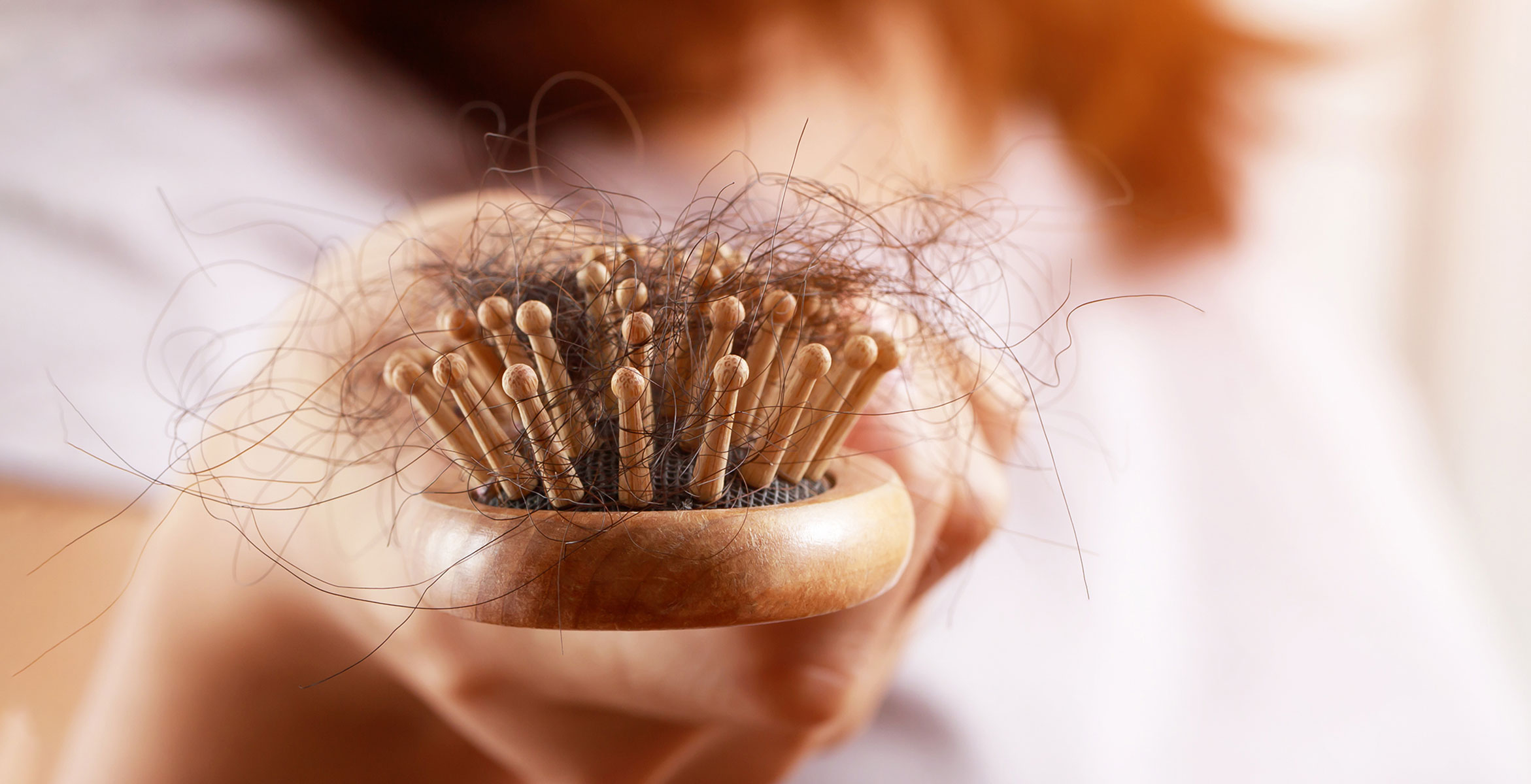
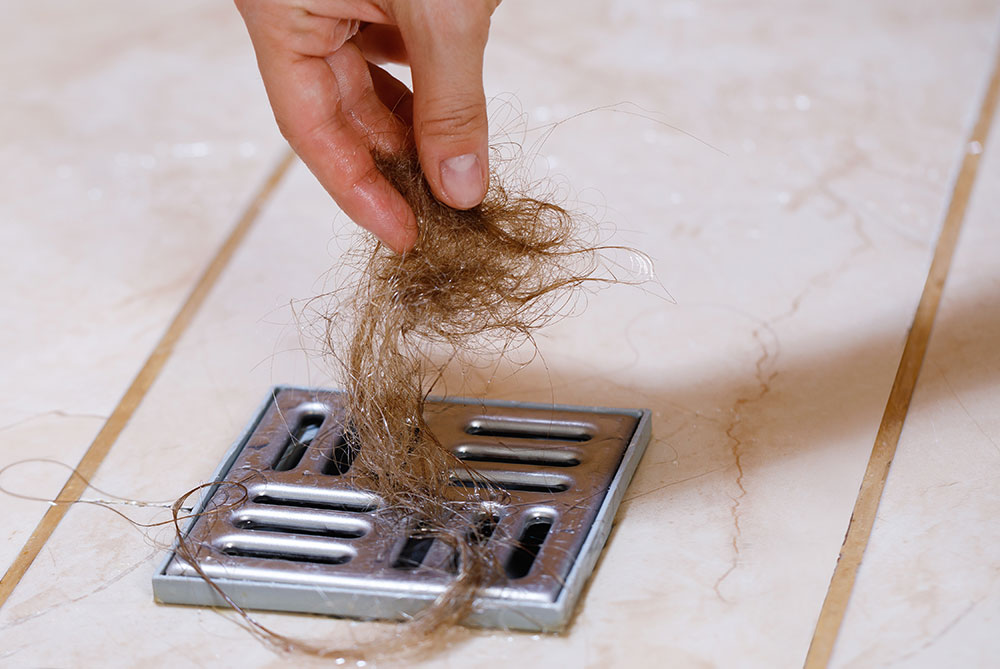
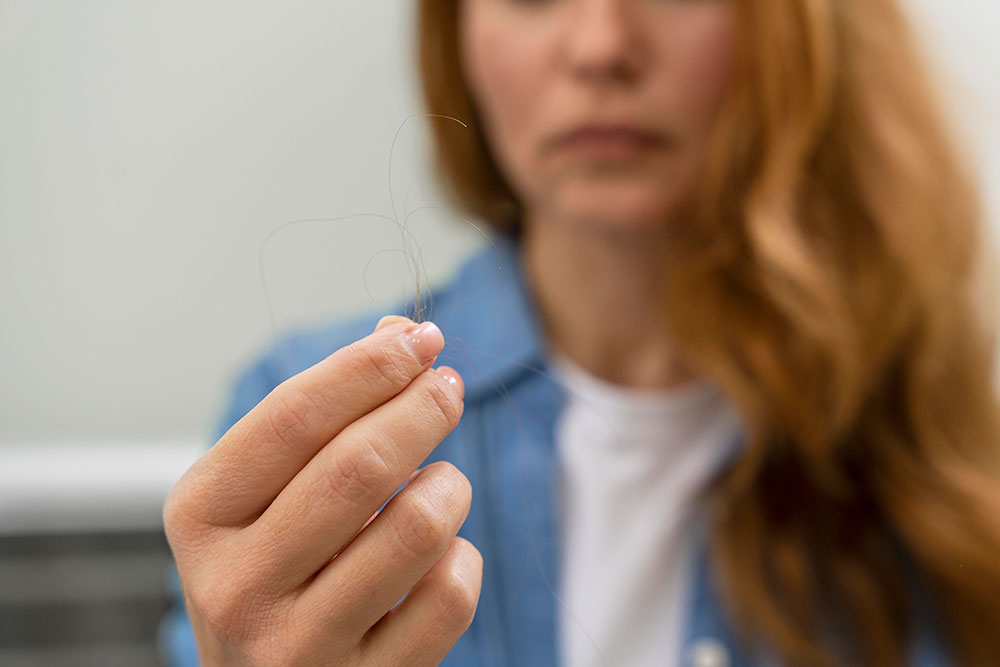
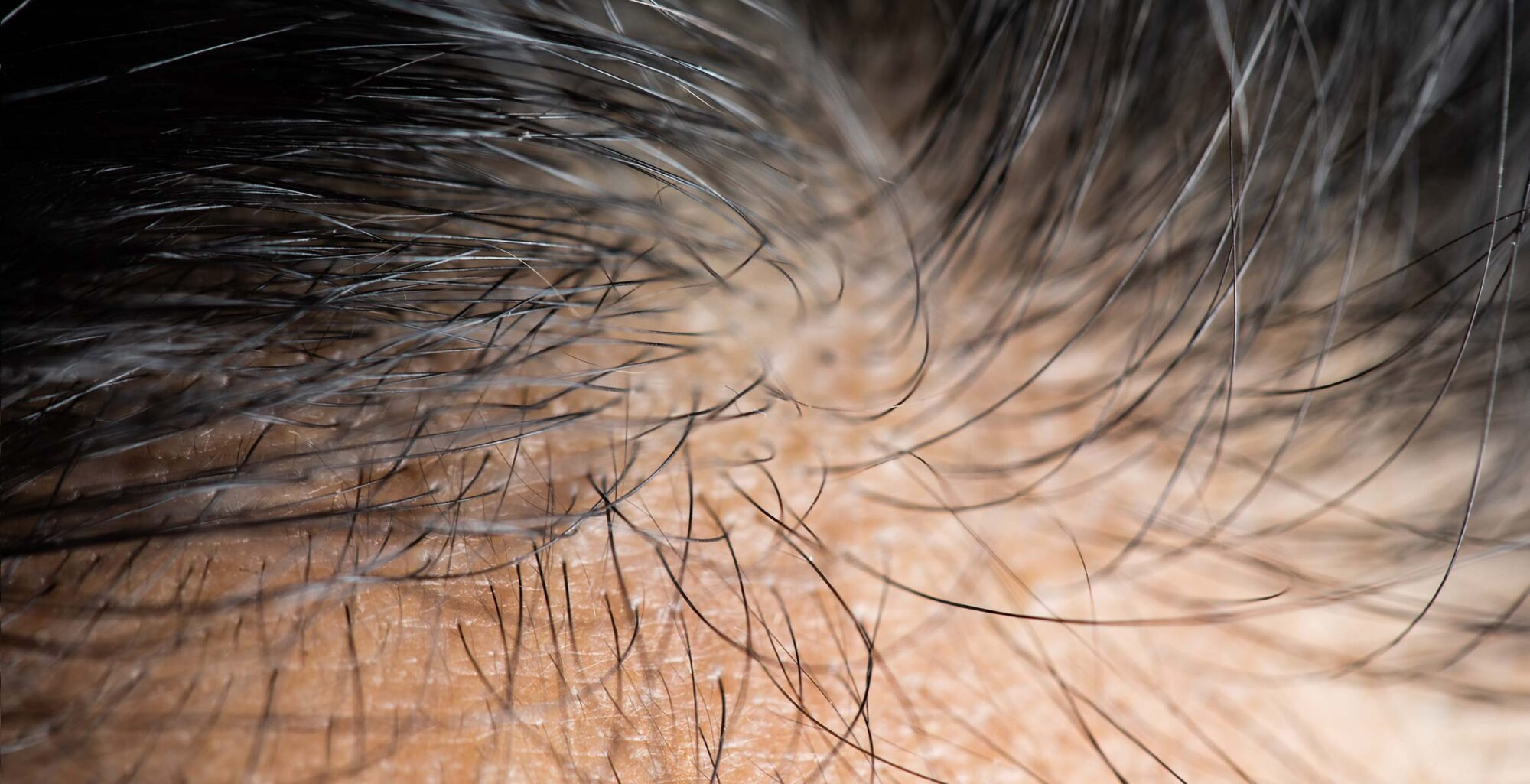
Seasonal hair loss refers to a temporary increase in hair shedding, typically occurring during the autumn and spring months. Normally, we lose between 50 and 100 hairs a day, but during these seasons, this number can significantly increase. Hair loss becomes more apparent when you notice more hair on your brushes, in your shower drain, or even on your clothes.
The Hair Growth Cycle
To understand why seasonal hair loss occurs, it’s helpful to look at the hair growth cycle. Our hair goes through four main stages:
- Anagen: Around 85% of our hair is in this growth phase, lasting anywhere from two to seven years.
- Catagen: The transition phase where hair detaches from the blood supply, preparing to shed.
- Telogen: The resting phase, where about 15% of hair is waiting to be pushed out by new growth.
- Exogen: The shedding phase, where old hair is released from the scalp.

Why Does Seasonal Hair Loss Happen?
There are various factors at play that contribute to this type of hair loss. Here are the main ones:
- Hair follicle cycle: During late summer and early autumn, fewer hair follicles are in the growth phase, meaning more hair is naturally shed.
- Evolutionary factors: It’s believed that humans may grow more hair during the summer for protection against UV rays. As the cooler months approach, this extra hair falls out.
- Temperature and environmental changes: As temperatures drop, the scalp experiences stress, prompting more hair to enter the shedding phase.
- Hormonal fluctuations: Seasonal changes can influence hormone levels (especially in females), indirectly contributing to hair loss.
- Diet and stress: Nutritional deficiencies and higher stress levels often experienced during transitional periods can exacerbate hair loss.
Seasonal Hair Loss in Women vs Men
While autumn and spring hair shedding affects both men and women, studies show that women are more likely to experience this type of hair loss. One long-term study revealed a significant spike in women searching for information on hair loss during the autumn months. Another six-year investigation showed that women tend to lose more hair from late summer through autumn.
When the body sheds an excessive amount of hair, it’s often referred to as telogen effluvium. This condition can be caused by factors like weight loss, childbirth, illness recovery, or changes in hormonal birth control. Note that most of these factors are more common among females.

Seasonal Hair Shedding vs Permanent Hair Loss: What’s the Difference?
It’s important to distinguish seasonal shedding from other forms of hair loss, as the treatment and long-term prognosis can vary:
- Cause: Seasonal shedding is primarily triggered by environmental stress, while other forms of hair loss, such as alopecia areata or androgenetic alopecia, have medical or genetic roots.
- Temporariness: Seasonal hair loss is typically temporary, lasting only a few weeks to a couple of months.
- No underlying medical condition: Unlike traditional hair loss forms like alopecia or androgenetic alopecia (male or female pattern baldness), seasonal shedding doesn’t stem from medical conditions but is a reaction to external factors.
Can Seasonal Allergies Cause Hair Loss?
Yes, seasonal allergies can contribute to hair loss. Inflammatory reactions from allergies can restrict blood flow to hair follicles, weakening them. Scalp conditions like eczema, seborrheic dermatitis, and dandruff, which are often worsened by seasonal changes, can also lead to excessive shedding.
How Long Does Seasonal Hair Loss Last?
Seasonal hair loss typically lasts between 6 to 8 weeks. Hair sheds more than usual during these periods, but normal hair growth resumes once the environmental conditions stabilise.
Does Seasonal Hair Loss Grow Back?
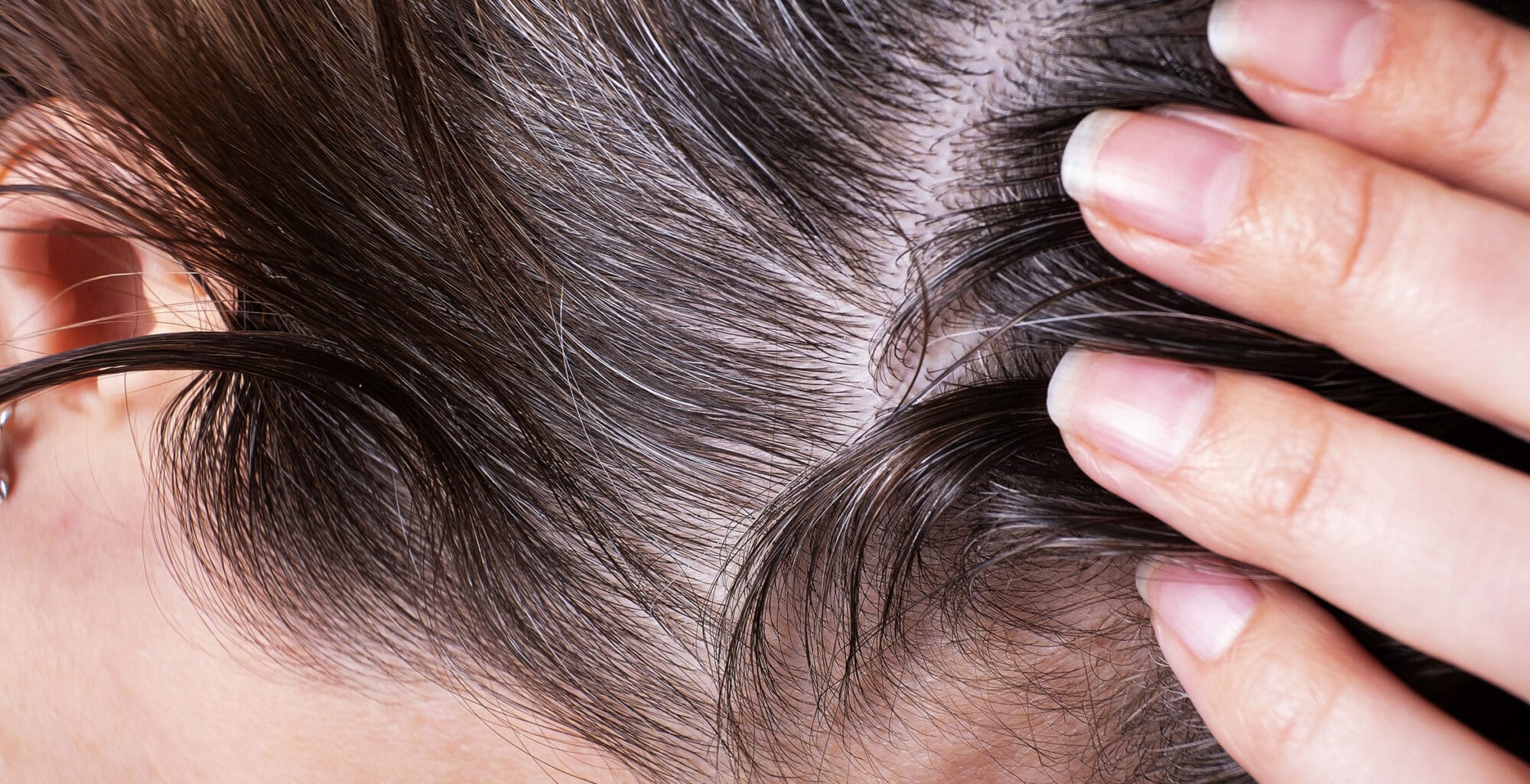
Yes, most cases of seasonal hair loss do grow back. This temporary shedding is a natural part of the hair growth cycle, and once the season passes, hair typically returns to its usual density. However, if you notice a significant decrease in hair volume or increased scalp visibility, it could indicate an underlying condition or genetic hair loss.

Hair Loss vs Hair Breakage
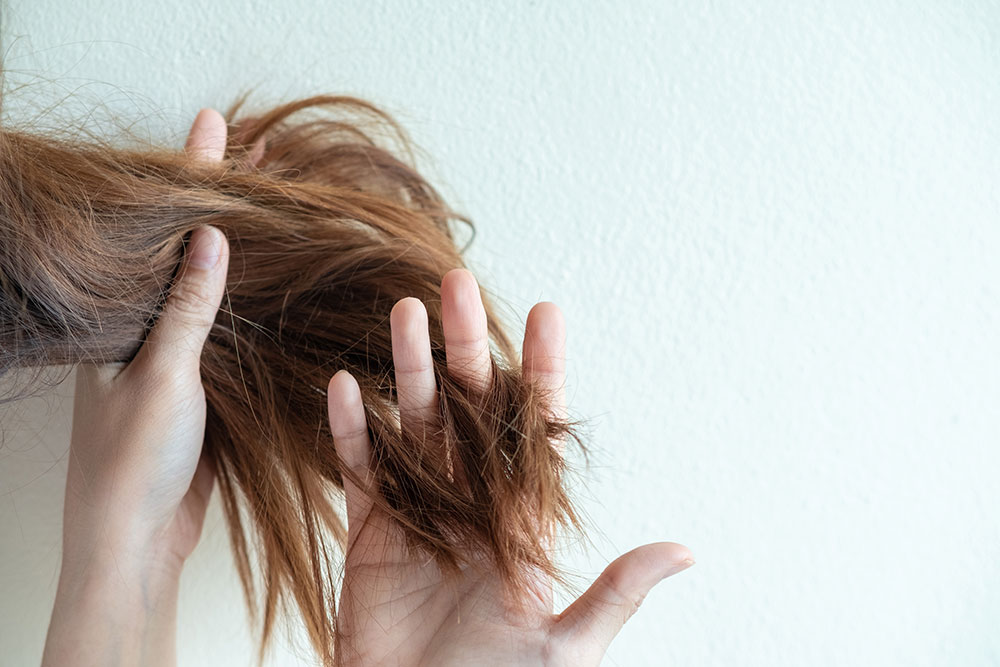
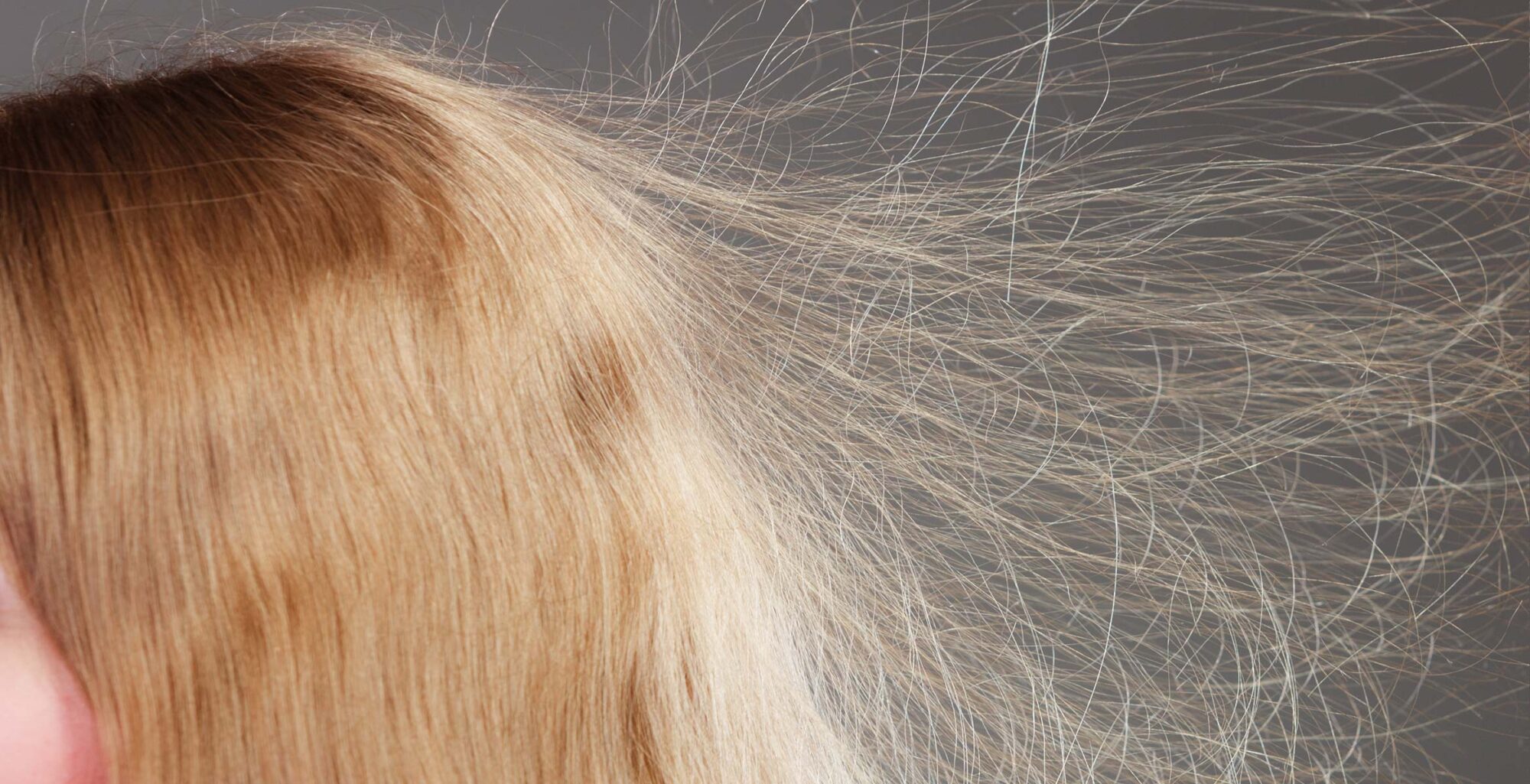
If you’re noticing hair thinning, it’s important to distinguish whether it’s hair loss or hair breakage. Heat and humidity can dry out hair, leading to breakage rather than shedding from the root. If your hair feels dry or brittle, breakage is more likely the cause. To combat this, focus on using hydrating treatments like oils and conditioners, minimise heat exposure, and regularly trim your ends.
10 Tips to Prevent Seasonal Hair Loss
Preventing seasonal hair thinning often comes down to taking good care of your hair and scalp. Here are our favourite practical tips:
- Balanced diet: Ensure you’re consuming enough protein and essential nutrients like vitamin D, iron, zinc, and B12.
- Avoid excessive styling: Limit tight hairstyles to prevent traction alopecia.
- Stay hydrated: Drinking enough water helps nourish hair follicles.
- Minimise heat exposure: Use heat protectants and limit heated styling tools.
- Manage stress: High stress can trigger shedding, so try to keep your stress levels as low as possible (easier said than done in some cases, we know).
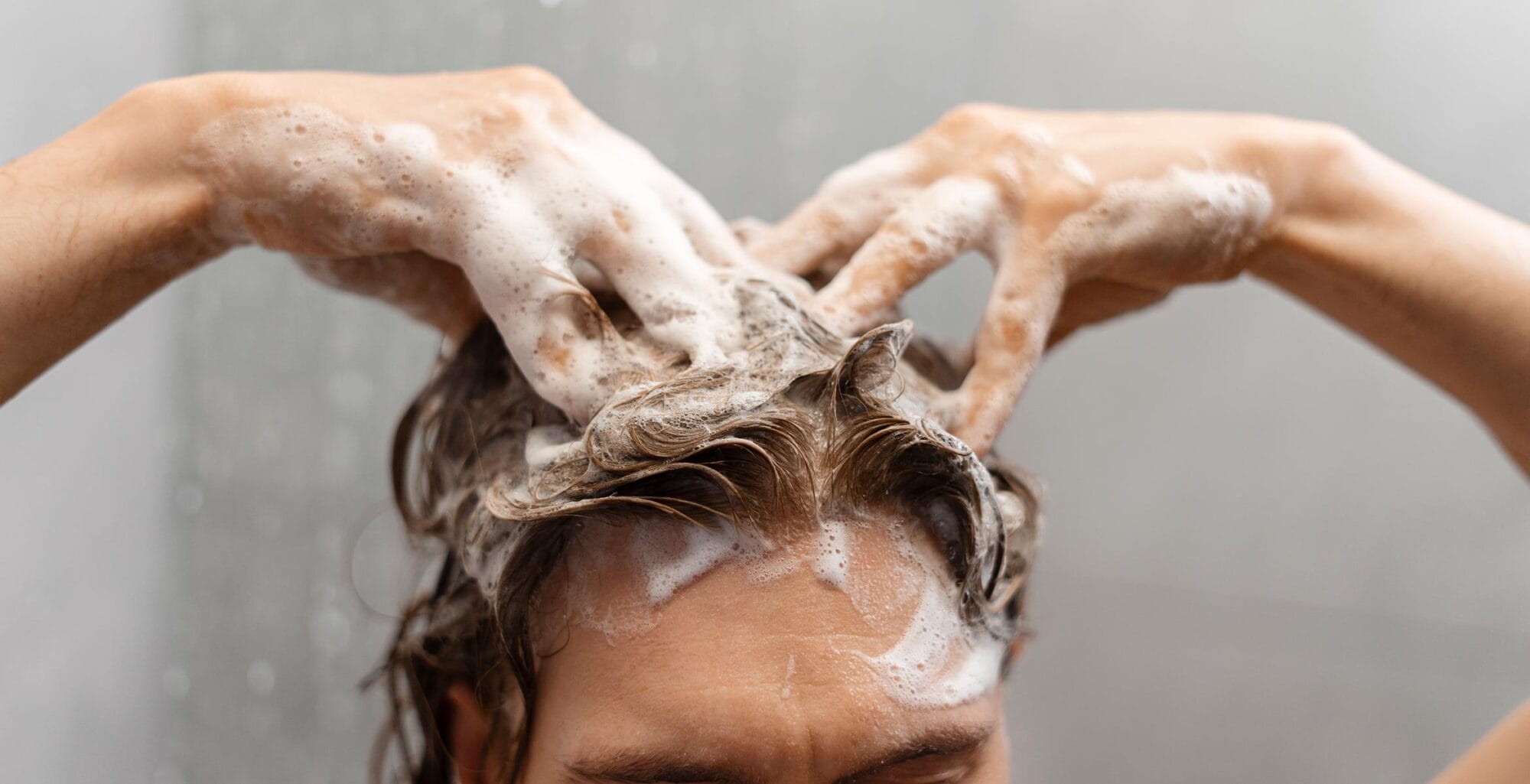
- Look after your scalp: Regularly massage your scalp and use treatments to maintain scalp health.
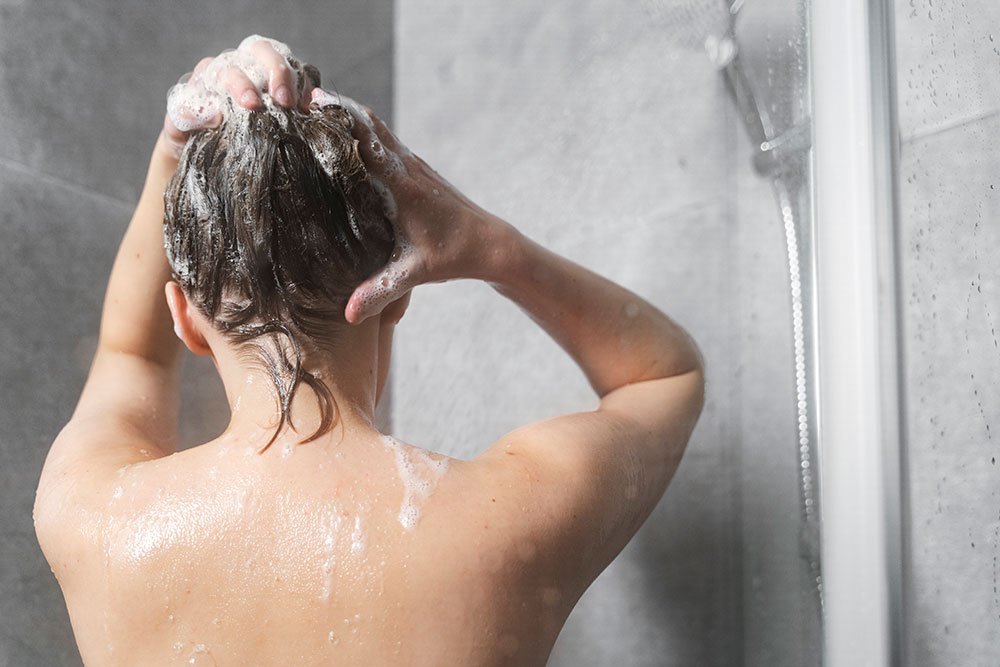
- Use gentle hair care products: Avoid harsh shampoos, dyes and styling products that can damage hair.
- Detangle carefully: Use a wide-toothed comb and start detangling from the ends of your hair to help avoid breakage.
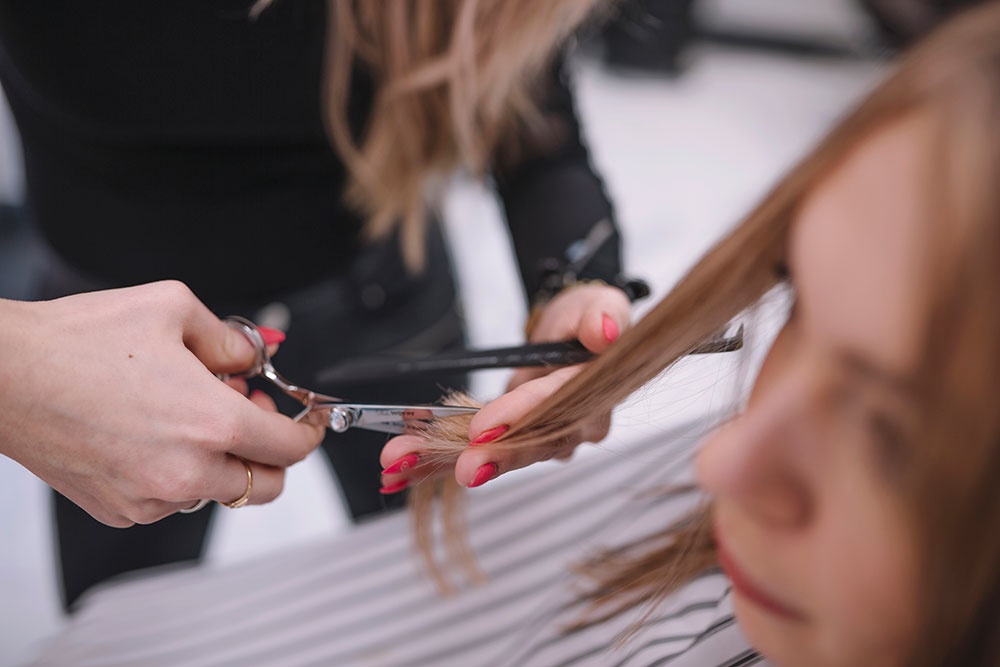
- Trim regularly: Regular haircuts can help reduce split ends and boost hair growth.
- Control frizz: Use anti-frizz products to prevent excess shedding caused by humidity.

Best Treatments for Hair Loss
Effective management of seasonal hair thinning starts with strengthening your scalp and nourishing hair follicles to minimise shedding and encourage healthy growth. With the right products, you can significantly enhance scalp health, promote hair regeneration, and reduce hair breakage. Below are our science-backed recommendations:
1. Strengthen Your Scalp Health with The Scalp Cure
The Scalp Cure is a cutting-edge hair tonic designed to revitalise your scalp while promoting hair growth and reducing hair loss. Its ultra-light formula is packed with a powerful combination of vitamins, minerals, and prebiotics, all of which are essential for maintaining the scalp’s health. Here’s what makes The Scalp Cure an outstanding treatment:
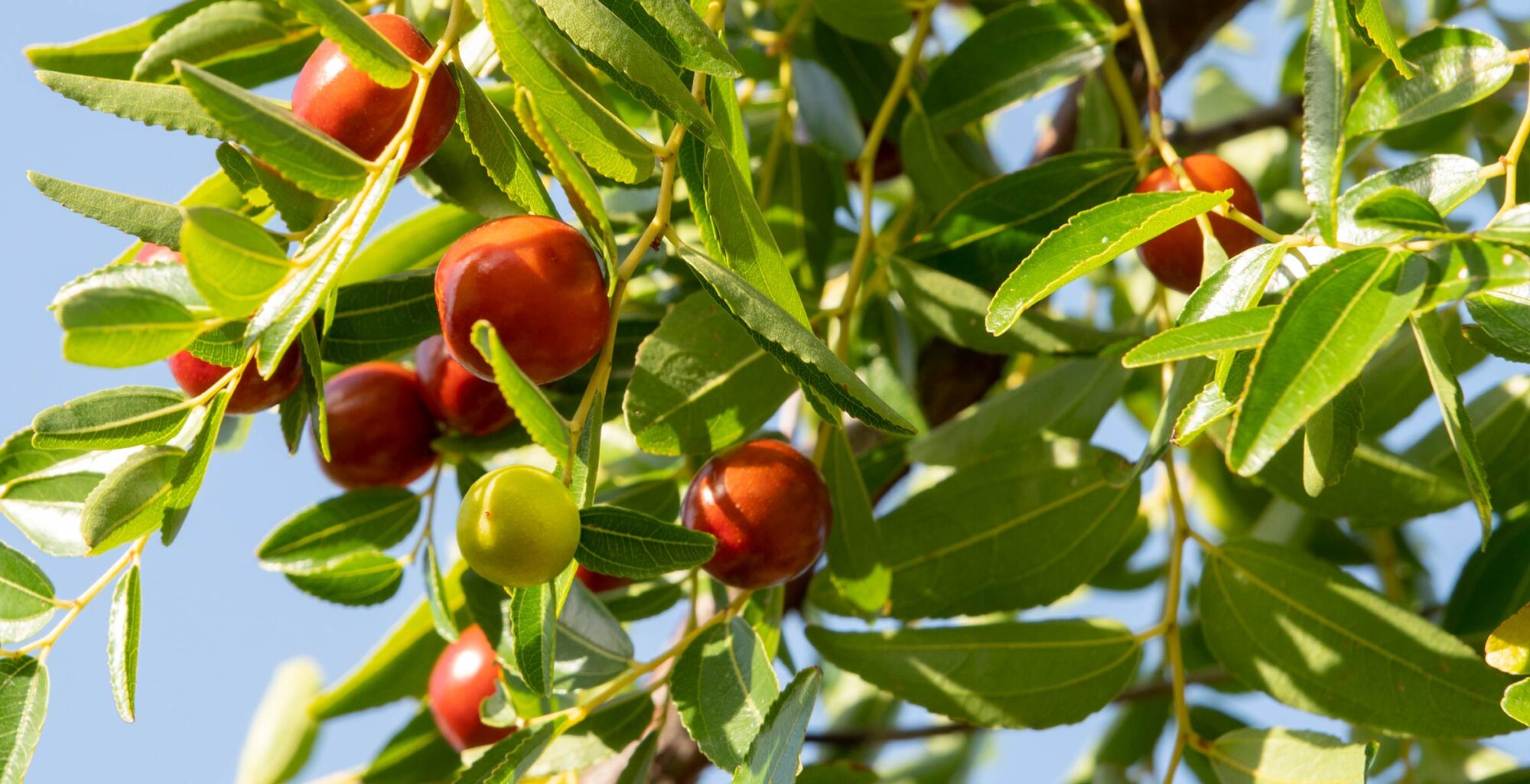
- Corosolic Acid Extracted from Eribotrya Japonica (loquat) leaves, this ingredient is key to the formula’s effectiveness. It helps inhibit the conversion of testosterone into dihydrotestosterone (DHT), a hormone closely linked to hair loss. By reducing DHT, it limits hair follicle miniaturisation, a common cause of thinning hair. Corosolic Acid also enhances hair cell proliferation, stimulating the production of essential proteins like FGF-7, which boosts hair growth, and VEGF, which promotes the formation of new blood vessels, improving nutrient flow to the scalp. Additionally, BMP-2, a protein that regulates hair follicle growth and strength, helps increase hair thickness and density.
- Tussilago Farfara (Coltsfoot) Leaf Extract: This mineral-rich ingredient fortifies the hair shaft, reducing breakage and contributing to the overall strength and resilience of your hair.
- Inulin: This natural prebiotic conditions the scalp and detangles hair, leaving it silky and manageable. Inulin also plays a pivotal role in rebalancing the scalp’s microbiome, preventing irritation and inflammation that can lead to excessive shedding.
- Lepidium Meyenii (Maca) Root Extract: A potent natural stimulant, maca root promotes hair growth by increasing follicle strength and resilience, ensuring your hair stays anchored in the scalp longer.

2. Nourish and Repair with Prebiotic Natural Shine Shampoo
Healthy hair growth starts with a well-nourished scalp. Prebiotic Natural Shine Shampoo has been formulated to cleanse, strengthen, and repair damaged hair while providing essential nutrients to the hair follicles. This innovative shampoo is packed with amino acids, which are vital for hair health.
- Amino Acids (Arginine, Proline, Threonine): These amino acids support keratin production, which is critical for hair structure and regeneration. Keratin strengthens hair strands and prevents damage, while amino acids such as arginine act as vasodilators, improving blood circulation to the scalp. Enhanced blood flow ensures a steady supply of oxygen and nutrients to hair follicles, supporting their overall health and promoting hair growth.
- Hydrolysed Jojoba Esters & Hydrolysed Rice Protein: Both ingredients break down into amino acids, which further nourish and repair the hair structure. Hydrolysed proteins penetrate deep into the hair shaft, reinforcing its integrity and improving elasticity. This not only strengthens your hair but also reduces the likelihood of breakage, which can be mistaken for hair loss.
This shampoo is designed for frequent use, ensuring that your hair remains strong and hydrated, which is essential during seasonal shifts that can otherwise lead to dryness and shedding.

3. Lock in Moisture and Strengthen Hair with Prebiotic Natural Shine Conditioner
Prebiotic Natural Shine Conditioner complements our shampoo by providing deep hydration and vital nutrients that further strengthen and repair hair. Its formula is enriched with moisturising agents and essential amino acids that promote a healthy scalp and smooth, manageable hair.
- Hyaluronic Acid: Known for its incredible moisture-retention properties, hyaluronic acid helps hair maintain hydration, which is crucial in preventing breakage and frizz, especially during dry or humid conditions. By nourishing the outer cuticle of your hair, this conditioner makes your locks appear smoother, shinier, and healthier.
- Amino Acids (Glycine, Arginine): Amino acids in the conditioner continue to play a key role in promoting hair repair and manageability. These compounds rebuild the protein structure of your hair, making it more resistant to external damage. The result is softer, more resilient hair that is less prone to breaking or shedding due to seasonal changes.
Regular use of this conditioner creates an optimal environment for hair growth by keeping the scalp and hair strands well-hydrated and protected from environmental stressors.
Final Thoughts…
While seasonal hair loss is a normal phenomenon, it’s important to recognise when excessive shedding persists beyond a few months, as it may require professional intervention. If you’re concerned, consulting with a trichologist can help identify the underlying cause and provide appropriate treatment. With a little extra care and attention, you can manage seasonal shedding and enjoy fuller, healthier hair year-round.