Skin care

Skin allergy: the most common symptoms and how to calm it

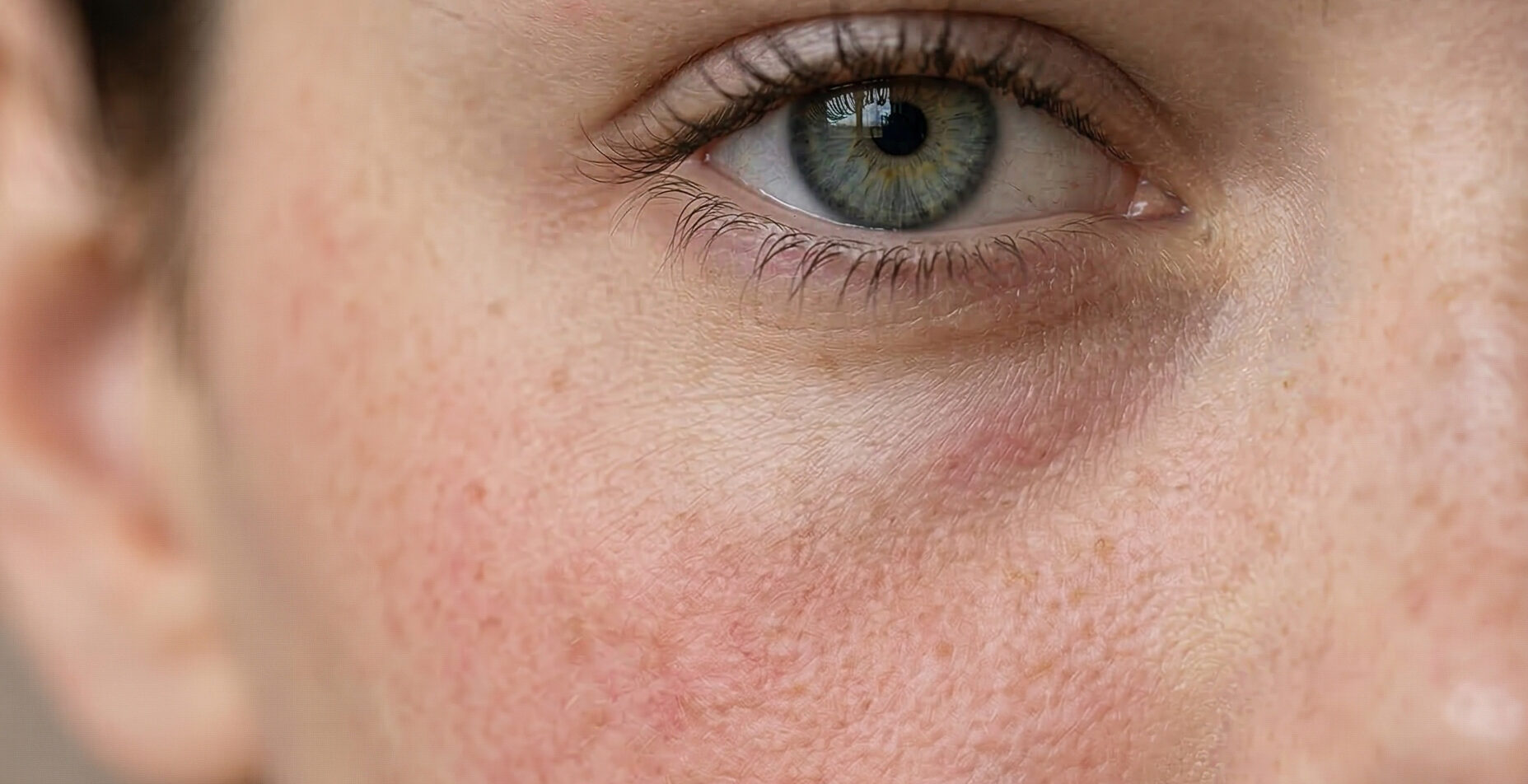
skin allergy

When the weather gets warmer, it often feels like everything begins to bloom, including your skin’s reactivity. If your skin feels more sensitive than usual, it’s no coincidence. Spring is the time to adapt your skincare routine and protect the skin barrier from factors that may go unnoticed at other times of the year.

Seasonal allergies, commonly known as hay fever, are usually associated with sneezing, congestion or itchy eyes. However, they can also manifest on the skin. A skin allergy is a condition with its own set of symptoms, particularly common in sensitive or reactive skin, or when the skin barrier is compromised.

Harvard Medical School explains that an allergy is a reaction of the immune system to something that would normally be harmless. When the body comes into contact with an allergen, it releases histamine and other chemical mediators that trigger the inflammatory response that causes allergy symptoms.

What is a skin allergy?

When an allergen, such as pollen, certain foods, medication or an environmental substance, comes into contact with the skin, the immune system may identify it as a threat. This triggers a reaction that leads to the release of histamine and other inflammatory substances.

Histamine is a regulatory molecule present in the body. During an allergic reaction, it acts as part of the body’s defence mechanism. During this process, histamine is released, causing blood vessels to dilate and become more permeable. This results in inflammation, redness and itching — the typical symptoms of a skin allergy.

Skin allergy reactions do not all present in the same way. The first step towards restoring your skin’s balance is understanding what is happening to it.

Some of the most common types of skin allergy are:

  • Urticaria: This reaction is characterised by the sudden appearance of raised, red welts accompanied by intense itching.
  • Eczema: This is a condition linked to a compromised skin barrier. The skin often feels dry and tight, and becomes easily irritated or red.
  • Contact dermatitis: This occurs when the skin reacts to direct contact with an irritant or allergen, which is often found in fragrances or metals in cosmetic products.

Skin allergy symptoms

Skin reactions can vary depending on the individual, the allergen and the level of exposure. However, there are certain skin allergy symptoms that commonly occur.

Redness

Redness occurs when the skin takes on a red hue, either in patches or more diffusely across larger areas. Redness may be localised, affecting a specific area that has come into contact with an allergen, or it may be more widespread, affecting different parts of the skin.

This symptom is directly linked to the dilation and increased permeability of blood vessels, which is triggered by histamine.

Itching

Itching, also known as pruritus, is one of the most uncomfortable sensations associated with a skin allergy. While scratching may offer temporary relief, it is not advisable as it can further damage the skin barrier and aggravate inflammation.

When the skin is already sensitised, itching is often accompanied by tightness, irritation, and general discomfort.

Hives (welts)

Hives, also known as urticaria, are raised, inflamed areas of the skin which often appear alongside itchiness and redness. While they are usually not serious, they can be highly uncomfortable and cause sensitisation.

They can vary in size, shape and distribution, and are not always caused solely by allergies — they may also be linked to stress, sudden temperature changes or other inflammatory responses.

Dryness or flaking

Although dryness and flaking often occur together, they are not exactly the same. Both are associated with transepidermal water loss and a reduction in essential lipids within the skin barrier.

Consequently, the skin may feel tight, rough and uncomfortable. If the imbalance persists, visible flaking may appear, which is the shedding of the outermost layer of skin.

A Twelve tip

During periods of reactivity, less is more. When the skin is compromised, it is not the best time to introduce new actives or experiment with more intensive formulas. It is more effective to return to products that your skin already tolerates well and focus on those that calm, regenerate and support the skin’s barrier.

How to calm a skin allergy

When a skin allergy appears, it is important to support the skin by adopting habits that reduce discomfort and protect the skin barrier. While these measures do not replace medical treatment, if needed, they can provide significant support.

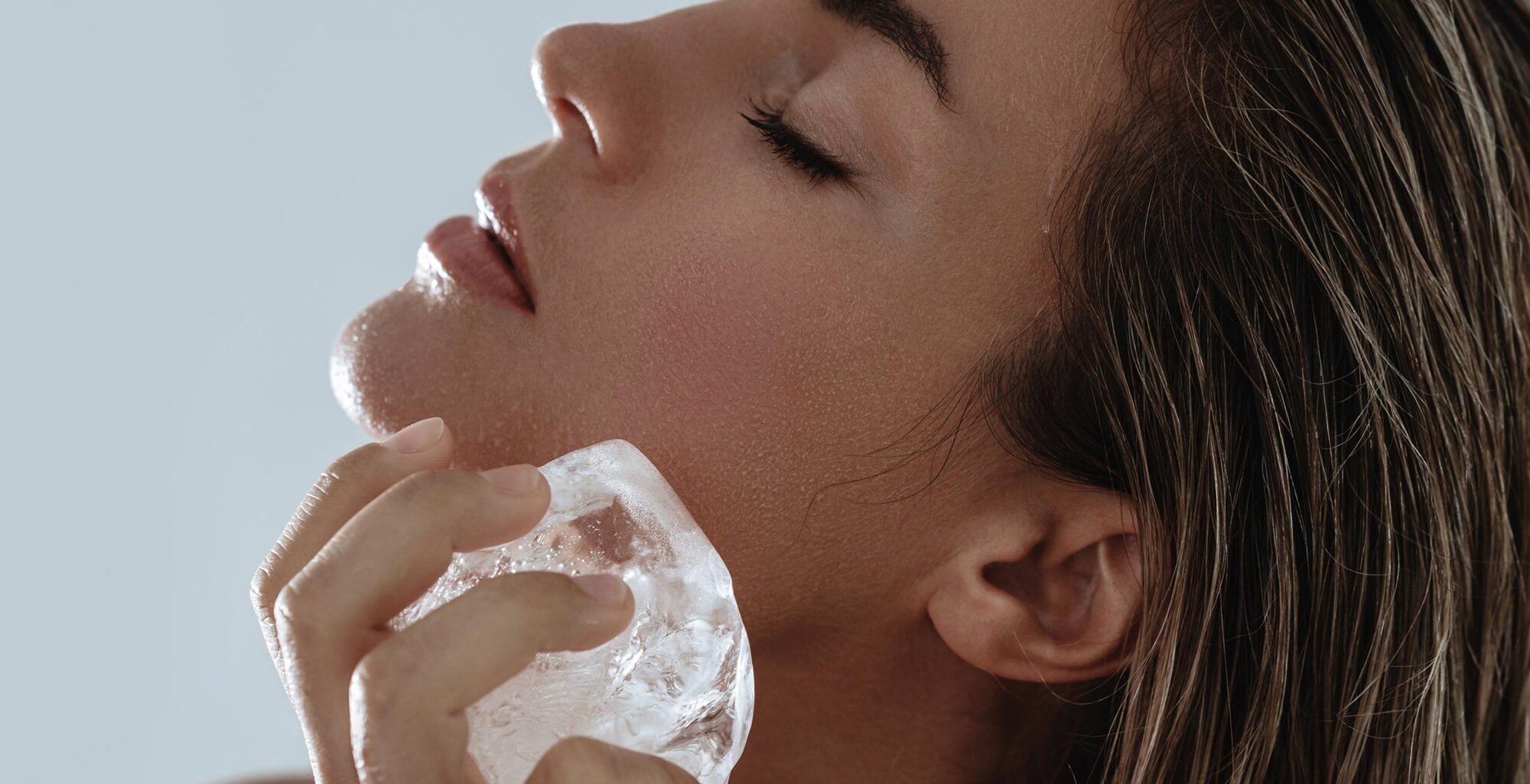
  • Cleansing is one of the most important things to consider during a flare-up. Showering with lukewarm or cool water can help to relieve heat, reduce discomfort, and prevent further sensitisation.
  • Clothing also plays a role. Choosing loose, lightweight garments made from natural fibres, such as cotton or linen, can minimise friction and reduce external triggers that may make the reaction worse.
  • Using calming skincare products is also essential. In this context, formulas designed to reduce itching, support skin recovery and restore comfort are particularly relevant.
  • When the skin is irritated, flaky or itchy, its hydrolipidic barrier is weakened. For this reason, it is important to use products that hydrate and nourish the skin, soothing it and helping to restore its balance and replenish lost lipids.
  • Finally, avoiding strong fragrances and other potentially irritating substances is key to preventing the reaction from becoming more intense or prolonged.

Ingredients that help to calm skin allergies

When experiencing a ‘spring flare-up’, certain ingredients can help to reduce inflammation, support barrier repair and improve overall comfort.

  • Panthenol (pro-vitamin B5): It helps support skin barrier regeneration and reduce water loss, making it particularly beneficial when itching or discomfort is present.
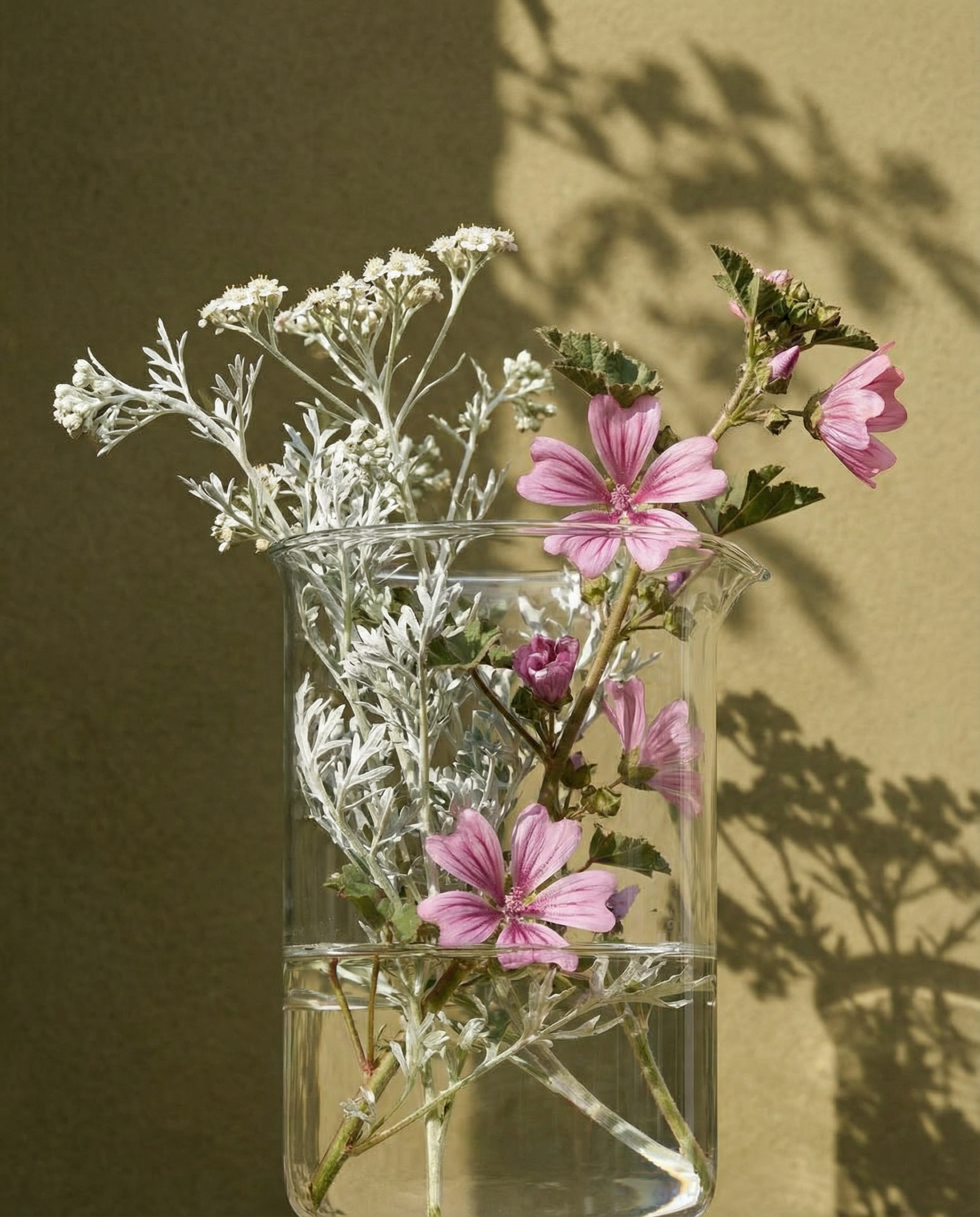
  • Mallow extract: Rich in mucilage, it forms a protective, soothing film on the skin that helps to hydrate and soften irritated areas.
  • Allantoin: It is known for its calming properties and helps to reduce irritation and support the recovery of sensitised skin.
  • Vegetable squalane: Highly compatible with the skin, it helps to reinforce the skin barrier and maintain hydration without leaving a greasy residue. 
  • Oils rich in phytosterols and unsaponifiable fractions, such as sunflower: These help support barrier regeneration and replenish essential lipids, which is particularly important when the skin feels dry, fragile or prone to eczema.
  • Spent grain wax (barley): This ingredient is especially suited to skin that is prone to eczema or itching. It is often described as having a ‘natural antihistamine-like’ effect and helps reduce skin reactivity.

How to prevent a skin allergy

Recommendations may vary depending on the individual case, so it is always advisable to seek professional advice if reactions are frequent or intense. However, there are certain habits that can help to prevent skin allergy, or at least minimise its impact.

  • Reducing exposure to environmental allergens, particularly during periods of high pollen concentration, is one of the most effective measures. If your skin tends to react in spring, it is worth taking extra precautions at this time of year.
  • Protecting the skin from sun exposure and harsh environmental conditions can also help to maintain balance in the skin. Skin that is less compromised tends to tolerate external stressors better.
  • Using gentle, well-tolerated skincare products is another important preventive step. Formulas that are fragrance-free and products designed for sensitive or reactive skin are often more suitable at this time of year.
  • Similarly, strengthening the skin barrier improves resilience. Products that provide hydration and essential lipids can support the skin in maintaining its protective function.
  • Finally, factors such as stress and sudden temperature changes can also increase skin sensitivity. One of the most effective preventive strategies is often maintaining a simple, consistent routine that aligns with the skin’s needs.

A note from Twelve Beauty

Cleansing becomes especially important during allergy season. Creamy or milky textures help to respect the skin’s hydrolipidic barrier and are generally more comfortable for reactive skin.

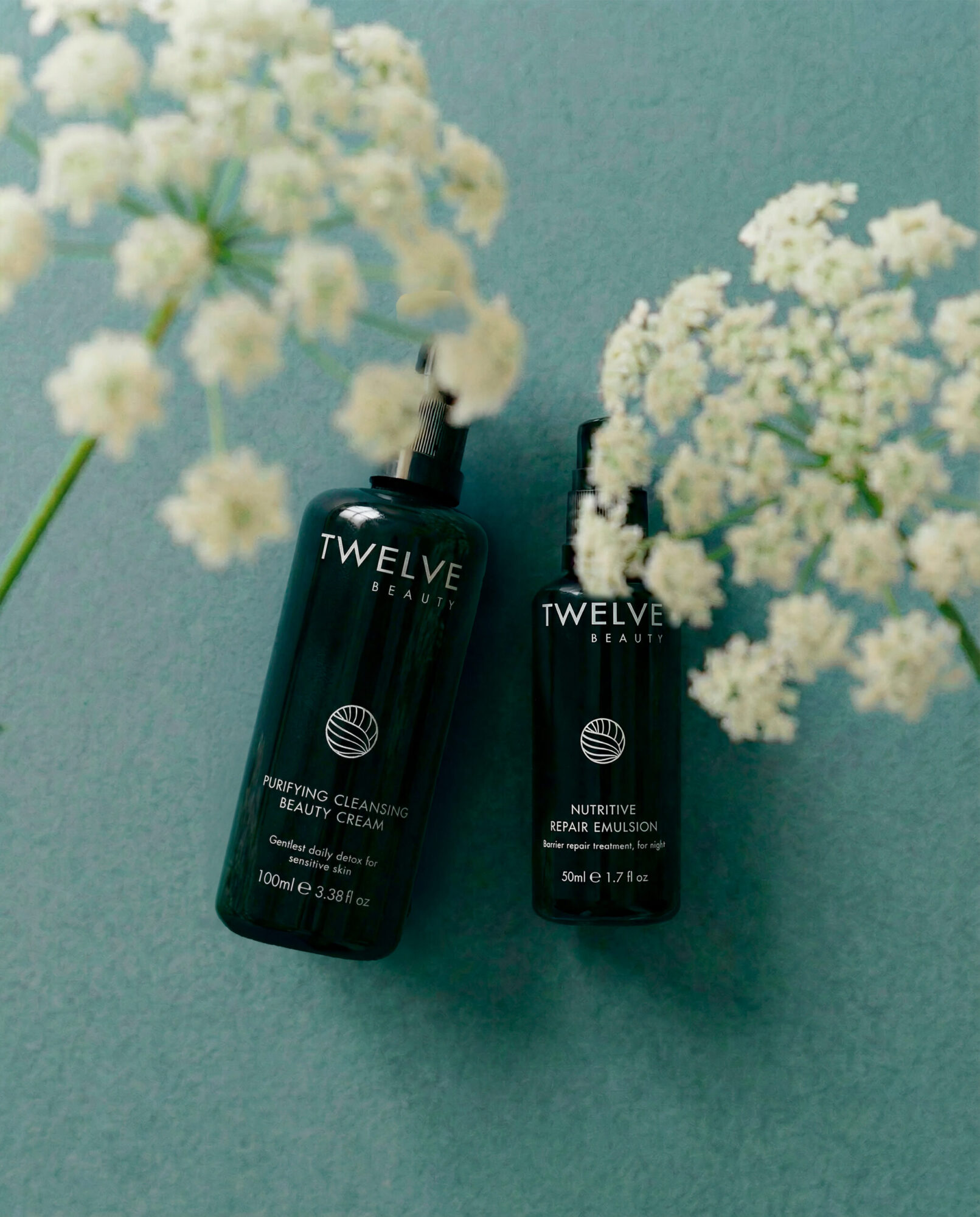
Formulas such as Purifying Cleansing Beauty Cream help cleanse the skin gently without compromising its balance or increasing sensitivity. To complement this step, reparative emulsions such as Nutritive Repair Emulsion help to support the skin barrier, improve tolerance, and reduce feelings of discomfort.

It is also important to apply products gently, by pressing lightly rather than rubbing. During these periods, the skin benefits from anything that minimises friction and restores comfort.

Leave a Reply

Your email address will not be published. Required fields are marked *