Skin care

The Truth About “Cortisol Face”: How to Soothe Stress-Affected Skin at Any Age

cortisol face skincare twelve beauty

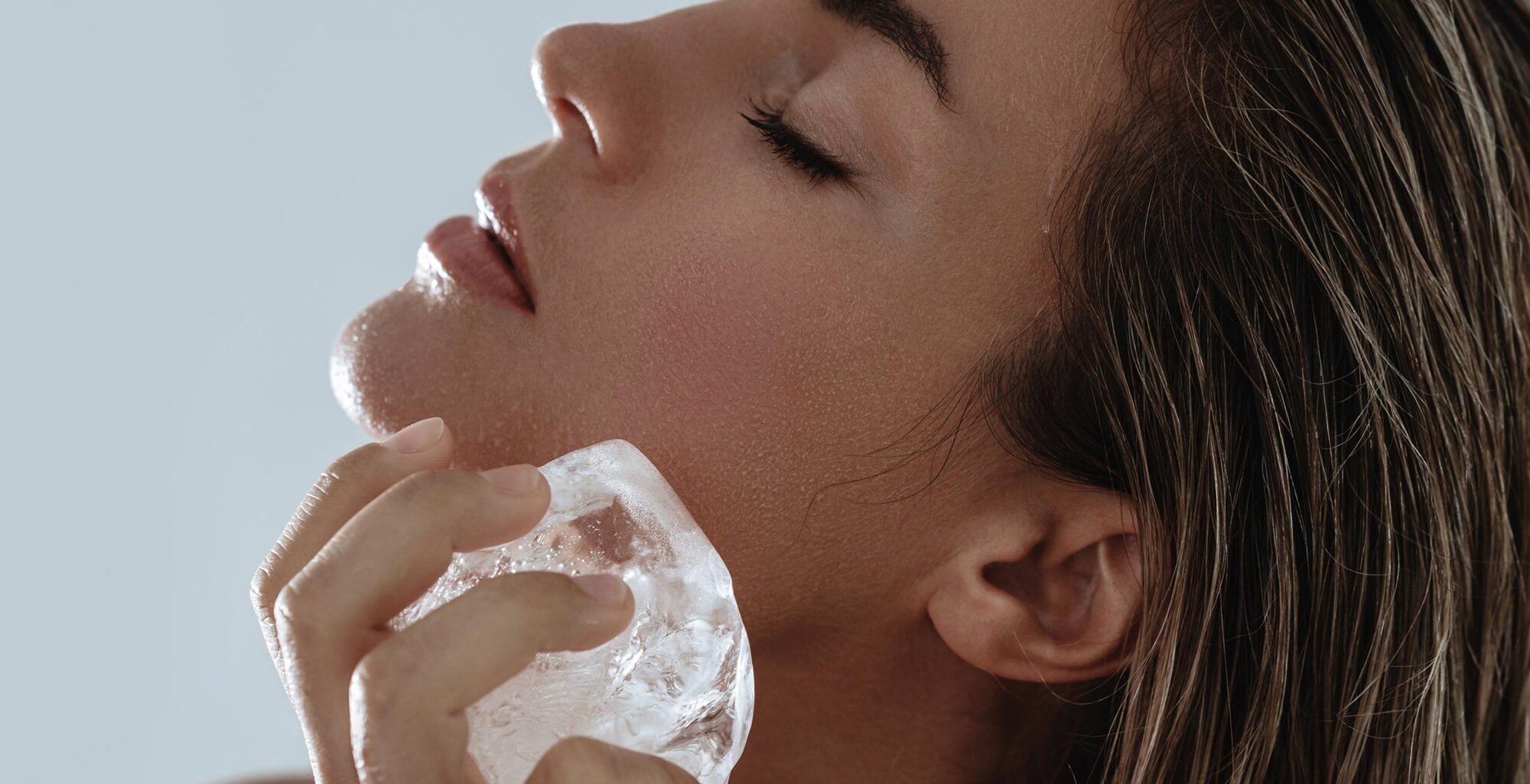
We all know what stress feels like – tight shoulders, racing thoughts, restless nights. But stress doesn’t stop there. It often shows up in the mirror, too. Puffy face and eyes, unexplained breakouts, redness that won’t fade, or a dull, tired complexion. This is what many are now calling cortisol face.

While the term sounds medical, it’s just shorthand for the way stress impacts your complexion. A gentler way to think of it is the “stress face” – those tell-tale changes in skin that happen when life feels overwhelming. And you’re not alone: the connection between stress and skin is real, powerful, and something most of us will experience.

In this guide, we’ll explore what’s really happening beneath the surface, why perimenopause and menopause can heighten these effects, and most importantly, what you can do – inside and out – to calm and care for your skin.

The Science of Stress and Your Skin

Stress isn’t always bad. In fact, cortisol – the so-called “stress hormone” – is vital for survival. It helps us wake up, stay alert, and respond to danger. The problem arises when cortisol stays elevated for too long, as it does during chronic stress. When this happens, the effects on your skin can be dramatic. Some of the most common ones are collagen breakdown, increased oil production, weakened skin barrier and water retention or puffiness.

This is the biological backdrop to what people describe as “cortisol face.” It isn’t a medical diagnosis, but rather the visible footprint of stress written across your complexion.

elevated cortisol can cause skin inflammation

What Does "The Stress Face" Look Like?

Everyone’s skin responds differently to stress, but there are common signs that make the “stress face” instantly recognisable:

  • Puffiness and bloating: Especially under the eyes or around the cheeks, giving the face a tired, swollen look. Cortisol can affect circulation and fluid balance.
  • Breakouts and stubborn acne: Stress hormones increase oil production, often leading to spots in adults who thought they’d left acne behind.
  • Redness and sensitivity: Inflamed, blotchy, or easily irritated skin is another common marker. Stress hormones can trigger a chain reaction that leads to chronic low-grade inflammation, often manifesting as heightened sensitivity or conditions like rosacea becoming more pronounced. The skin’s protective barrier function can be compromised, making it more reactive to products, weather, and environmental pollutants.
  • Loss of radiance: A dull, lacklustre complexion that feels tired no matter how much skincare you apply. This is often due to poor circulation and a slower rate of cell turnover. When cells aren’t properly shed and replaced, dead skin cells accumulate on the surface, making the skin look flat and preventing it from reflecting light effectively.
  • Accelerated ageing: Fine lines, sagging, or a sense that the skin looks “older” seemingly overnight. The breakdown of collagen and elastin can play havoc on the skin´s appearance, since they are the proteins that keep the skin firm and smooth. (Read more on the effects of inflammageing here.)
  • Fragile texture: A feeling of tightness or that your skin is less resilient. Cortisol can disrupt the skin’s ability to retain water, leading to a dehydrated surface and a compromised skin barrier. This makes the skin feel thinner, less “bouncy,” and more vulnerable to external stressors, leaving it feeling less robust.

These symptoms are not unique to stress alone – they overlap with many other skin concerns – but when combined with stressful life phases, they add up to the look we call the “stress face.”

cortisol face

Hormonal Crossroads - Perimenopause, Menopause, and Stress

Stress doesn’t exist in isolation. For many women, perimenopause and menopause can intensify the effects of cortisol on the skin.

As oestrogen levels decline, the skin naturally becomes thinner, drier, and less elastic. At the same time, cortisol levels may spike more easily, especially when compounded by life stressors, poor sleep, or hot flashes. The result? A double impact on collagen loss, hydration, and inflammation.

This isn’t to say that every woman will experience dramatic changes – but it’s worth recognising that hormonal shifts can make the skin more reactive to stress. Understanding this link is empowering – it allows you to address both sides of the equation – stress management and gentle, consistent care.

The Holistic Approach - Calming Skin from Within and Without

The truth about the “cortisol face” is that no single serum or cream can make it disappear. Stress affects the entire body, so your approach must be both holistic and sustainable.

sleep is the best remedy for high cortisol levels

Lifestyle Strategies to Support Stressed Skin:

  • Prioritise sleep: Skin repair peaks between 2 – 4 am. Protecting your sleep routine helps your skin restore itself overnight.
  • Gentle movement: Instead of high-intensity workouts that can raise cortisol, choose calming activities like yoga, Pilates, or walking in nature/grounding (it really works for us).
  • Mindful breathing: Simple breathwork or meditation reduces stress and helps regulate cortisol. Even five minutes a day makes a difference. We recommend you check out Tasha Bermingham, a movement educator & holistic health enthusiast.
  • Balanced diet: Focus on anti-inflammatory foods – omega-3 rich fish, flax, walnuts – and reduce refined sugars, which can worsen breakouts and inflammation. Leafy greens, extra virgin olive oil and pumpkin seeds are some of our favourites.
  • Hydration and ritual: Drinking water (we love adding natural electrolytes to ours) and creating daily skincare rituals act as micro-moments of calm that support both mind and skin.

Stress and skin are inseparable, but small, consistent practices can shift the balance in your favour.

Your Calming Skincare Toolkit

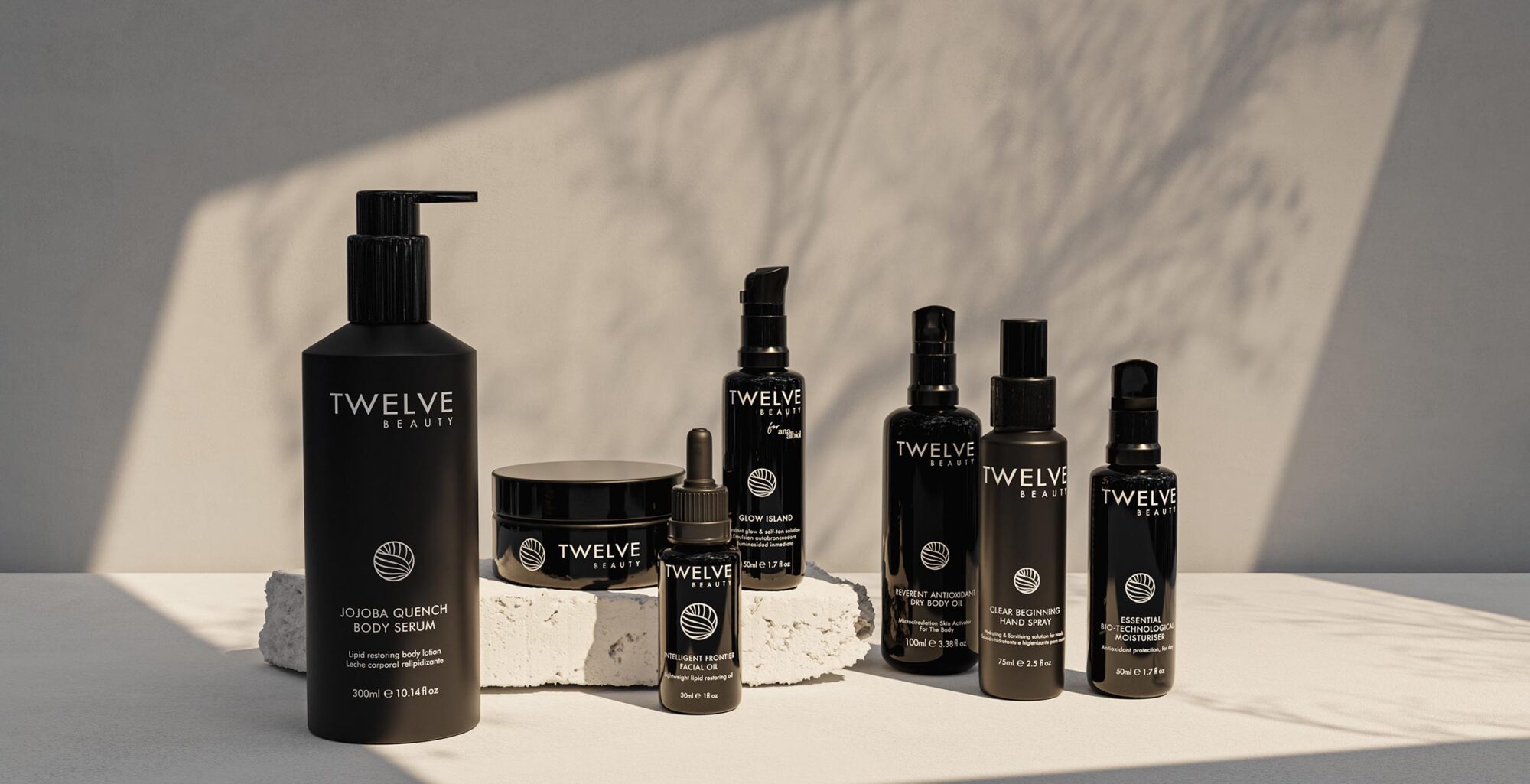
While lifestyle changes address stress from within, the right calming skincare routine provides support from the outside. The goal isn’t to fight your skin – it’s to nurture it back to balance. Here’s a simple three-step routine designed with stressed skin in mind:

best skincare for cortisol face

Step 1: Purifying Cleansing Beauty Cream

Harsh cleansers or aggressive treatments only worsen irritation. Instead, opt for products that calm, nourish, and strengthen the skin barrier. A creamy cleanser like Purifying Cleansing Beauty Cream is the perfect first step. It offers a creamy, non-foaming formula that lifts away impurities while keeping the skin calm and comfortable. It’s not just cleansing – it’s a grounding ritual that sets the tone for recovery.

Step 2: B12 Calm Serum

When redness, irritation, or sensitivity flare, B12 Calm Serum is your skin’s instant relief. Infused with Vitamin B12, it visibly reduces redness and helps the skin respond more calmly to stress. Think of it as your skin’s stress reset button – lightweight, soothing, and fast-acting.

Step 3: Nutritive Repair Emulsion

Finally, stressed skin craves nourishment. Nutritive Repair Emulsion restores strength to a compromised barrier with barrier-repairing lipids and deeply nutritive botanicals. It locks in hydration, helping skin feel more resilient and ready to recover from the impact of chronic stress.

Together, this trio creates a skincare routine that doesn’t overwhelm but instead supports, soothes, and strengthens – the antidote to the stress face.

Stress Happens - But Your Skin Can Recover

Stress is a part of modern life, but the visible signs on your complexion don’t have to be permanent. By understanding the link between cortisol and skin, recognising the common signs of a “stress face,” and supporting yourself with calming skincare and lifestyle choices, you can restore radiance and resilience at any age.

Your skin reflects your life, and with the right care – inside and out – it can bounce back beautifully. For those moments when stress feels overwhelming, reach for your calming toolkit. However, if you experience sudden or severe changes in your skin, please consult your trusted skincare professional.

Leave a Reply

Your email address will not be published. Required fields are marked *