
Minimalist Skincare Routine for Spring: 3 Ways to Adapt It to Your Skin

Spring often changes the way skin behaves, and with it, what a well-formulated routine needs to offer changes too. This is why a minimalist skincare routine can be particularly sensible at this time of year: not as a rejection of care, but as a way of reordering the routine, letting go of what starts to feel excessive, and keeping what truly helps the skin feel comfortable, balanced and functional.
A minimalist skincare routine is not simply about using fewer products. It is about noticing what the skin is asking for at a given moment, which textures feel more or less comfortable, and which steps remain essential to support the skin barrier, comfort and tolerance. Sometimes, adapting a routine effectively means choosing more carefully, rather than doing more.
Why should you adapt your skincare routine in spring?
Your skin does not experience winter and spring in the same way. Higher temperatures, increased sunlight exposure, environmental allergens and changes in humidity can all affect how products feel on the skin and how the skin responds to certain actives or textures. What felt comforting a few months ago may now start to feel heavy, occlusive or unnecessary.
For this reason, a minimalist skincare routine in spring should be lighter and more flexible. The idea is not that the skin needs less care, but that it may appreciate formulas that feel more compatible and coherent. It is also common to notice greater sensitivity to change: mild redness, a feeling of warmth, occasional reactivity or an overwhelmed sensation when too many products are layered together.
That is why simplifying the routine means reviewing what still makes sense and what can be used less frequently. In spring, adapting the routine is not about emptying it out, but about making it more compatible with the skin’s current needs.
So, what is a minimalist skincare routine?
A minimalist skincare routine is not a poor routine or an incomplete one. It is a functional selection of steps that each serve a clear purpose and genuinely earn their place in daily life. Its logic is not based on accumulation, but on compatibility: less excess, fewer unnecessary layers, and closer attention to what the skin truly needs.
In spring, caring for your skin often comes down to three useful actions: maintaining, lightening and spacing out. In practice, that might mean:
- Maintain what remains essential for skin health, such as gentle cleansing, lightweight hydration and daily sun protection.
- Lighten textures when the skin starts to ask for something fresher, less heavy and more comfortable.
- Space out certain steps that do not need to be repeated every day, such as exfoliation or some more intensive actives.
Skinimalism is more than just an aesthetic trend, it can be a sensible approach to skincare. A minimalist skincare routine is not about doing less for the sake of it, but about reducing interference and supporting skin tolerance. Its effectiveness lies in how well its steps and formulas work together.
The steps that are worth keeping are those that support the skin every day: cleansing without disruption, hydrating without overload and protection without exception. Other steps can be more occasional, depending on how your skin feels, such as exfoliation, richer masks, and actives, which may be better spaced out at certain times to avoid overwhelming the routine.
How to adapt a minimalist skincare routine for spring
Depending on how your skin feels, your minimalist skincare routine may need to change. Sometimes, the skin simply needs a stable and comfortable base, while at other times, it may benefit from a boost of freshness and radiance. In other cases, reducing stimulation is the best way to restore balance.
Our limited-edition Spring Rituals are designed with this in mind, offering a simpler, more sensory approach to skincare that is better aligned with what the skin need. They make a great gift for someone special. Or you could treat yourself.
Simplify: a well-resolved base for everyday life
Sometimes, the skin doesn’t need new stimuli, but rather a simpler, more comfortable routine that is easier to maintain. In spring, that often happens when winter textures begin to feel too present, or when the skin starts to appreciate fewer layers.
In this context, a brief and functional routine can be more than enough: a gentle cleanse, care that supports without overloading, and daily protection that sits naturally within the day. It is not a “basic” routine in the poor sense of the word, but a well-resolved base, designed to live comfortably within everyday life without adding unnecessary friction.
This is the clearest way to understand well-executed minimalism: not removing for the sake of removing, but leaving space only for what truly makes sense. When the skin feels comfortable, stable and supported, it often does not need much more.
From this perspective, something like The Essentials Ritual fits naturally: an everyday care routine that is simple in form, but very well judged in what it offers.
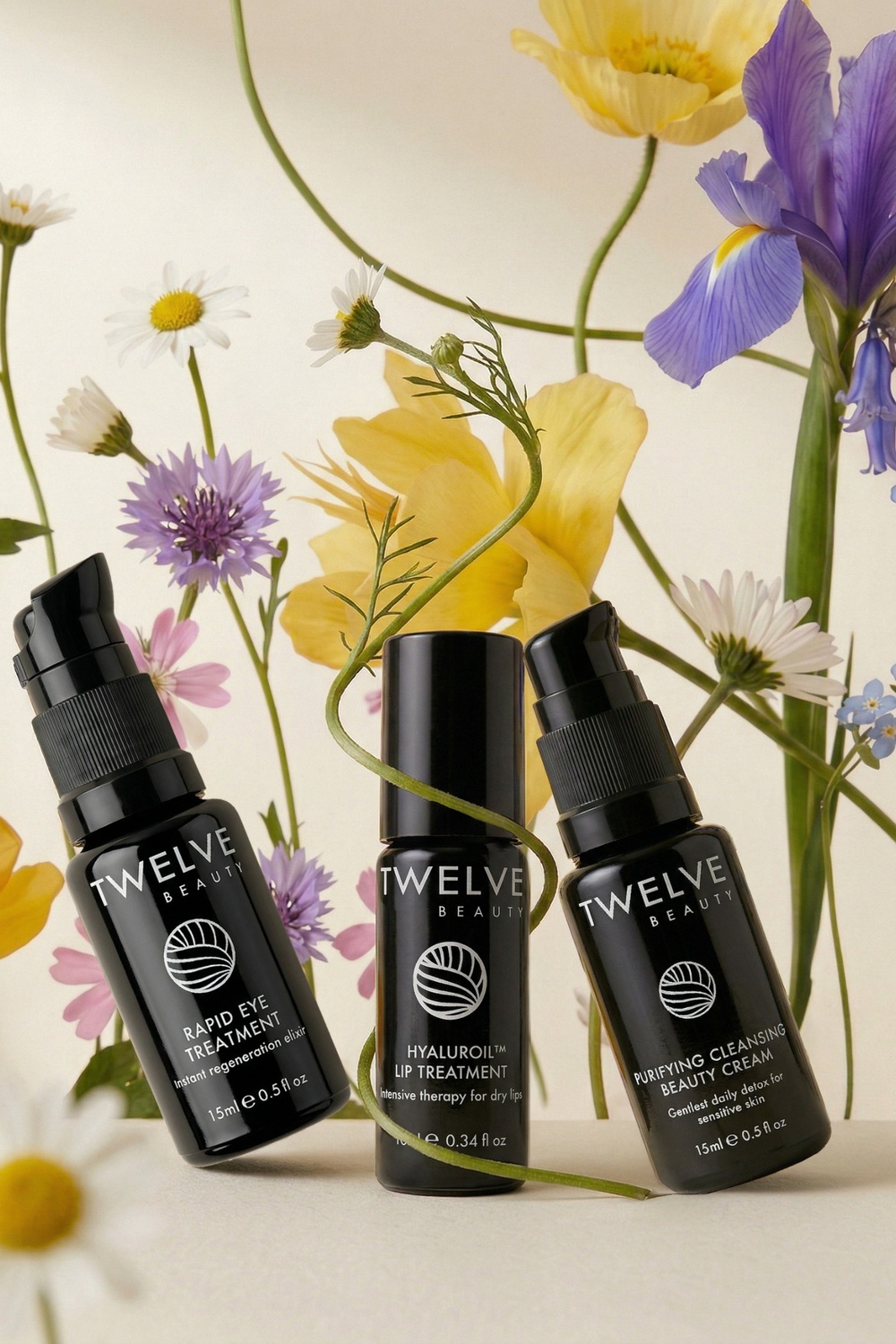
The Essentials Ritual
Brighten: freshness and healthy-looking skin without excess
At other times, what changes in spring is not so much the need to simplify as the desire to bring a certain freshness back to the skin. After months of denser textures or more enclosed routines, it is common for the complexion to appear slightly dull, uneven or lifeless, which is not particularly appealing at this time of year.
Here, a minimalist skincare routine can move in the direction of radiance, but understood in a very specific way: not as surface shine or as an accumulation of “activating” steps, but as skin that looks more rested, smoother and clearer in expression. Texture, lightness and the way formulas work together matter enormously at this point.
A well-chosen antioxidant, gentle hydration and a texture that leaves the skin feeling supple and light can do far more for that healthy-looking glow than a routine full of layers that ends up feeling excessive. In this case, radiance does not come from adding more, but from refining better.
Seen this way, The Glow Ritual makes perfect sense: a way of bringing freshness, luminosity and warmth to the skin without stepping outside the idea of a light, spring-appropriate routine.
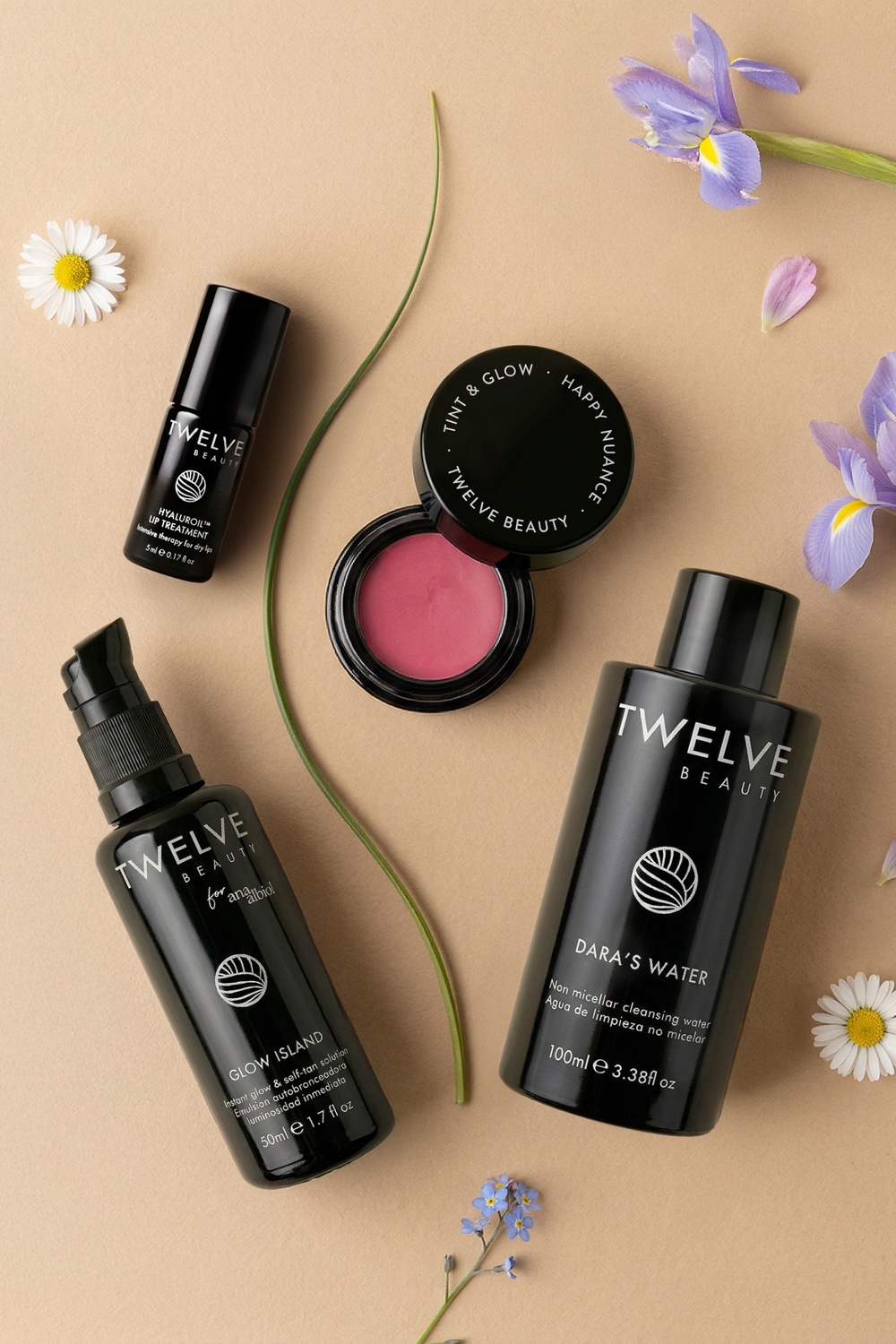
The Glow Ritual
Renew: when the skin needs to restore balance
There are also times when the skin is neither dull nor overloaded, but simply out of sync. It may feel more reactive and uncomfortable, and be marked by redness and uneven texture. It may also be affected by that hard-to-define feeling that appears when the routine no longer seems to suit the skin.
In those cases, adapting the routine does not mean intensifying it, but reassessing it. Sometimes it is wiser to space out certain actives, reduce exfoliation or return to gentler formulas while the skin recovers tolerance and comfort. Here, renewal is not about doing more, but about returning to a sequence that better supports the skin’s balance.
It is a different kind of simplification: less focused on the number of steps, and more on the quality of how they coexist. Cleansing without stripping, treating without overstimulating, and caring for the skin barrier with compatible textures can completely change how the skin feels in spring.
This is where The Reset Ritual fits especially well — not as an aggressive gesture of change, but as a more refined approach to renewal, designed for moments when the skin needs to reorganise itself and regain balance.
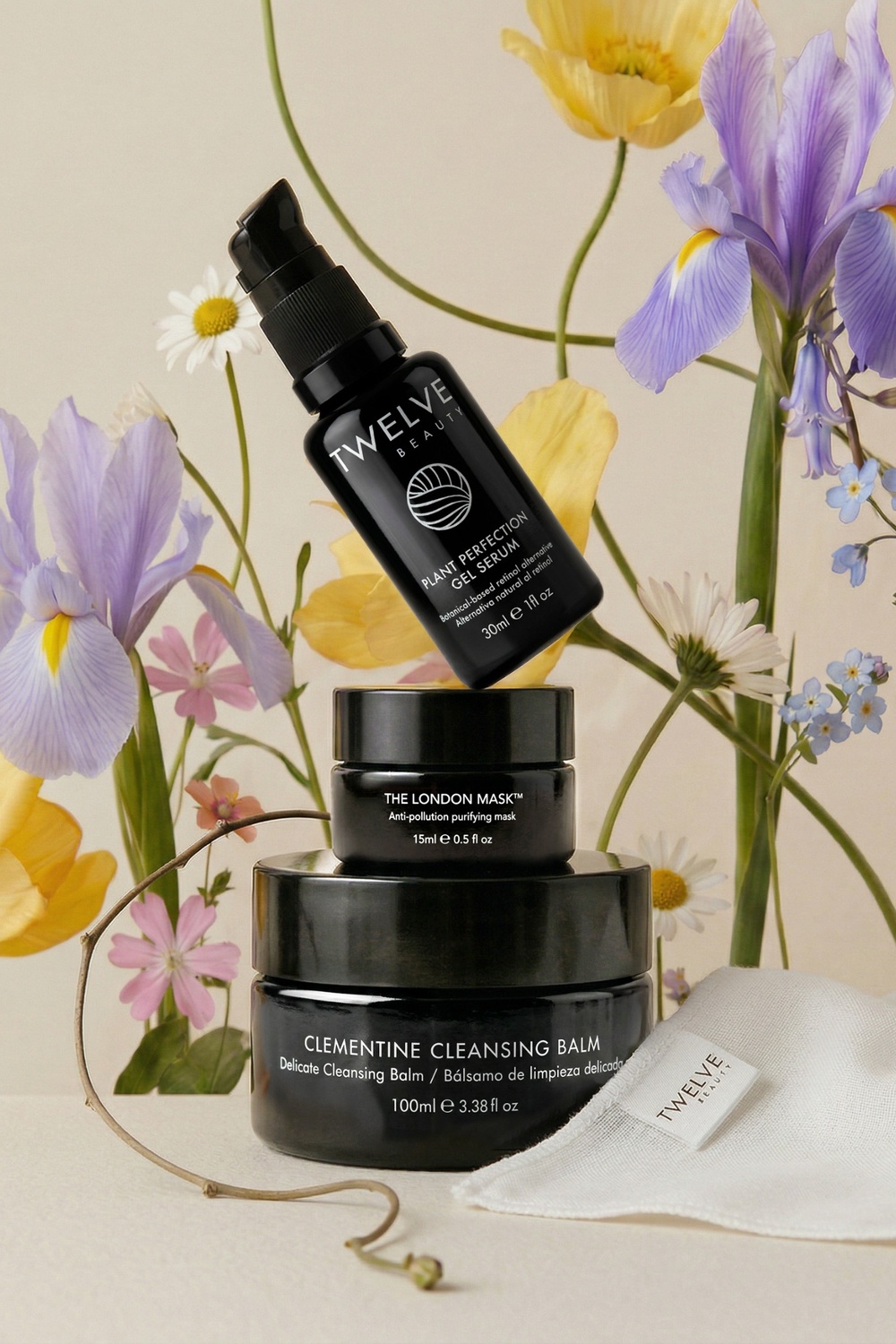
The Reset Ritual
Frequently asked questions about a minimalist skincare routine for spring
There is no universal number, but a minimalist skincare routine often works well with three or four steps. What matters is not the exact number, but that each step has a clear purpose: cleansing, hydrating and protecting are usually the foundation. From there, an extra treatment step can be added if the skin genuinely needs it.
In spring, the most sensible essentials are usually a gentle cleanse, lightweight hydration and daily sun protection. These three steps help support the skin without overwhelming it, making it easier to build a more functional routine, especially if compatibility and comfort are the priority.
Yes, as long as they are chosen carefully and used correctly. A minimalist skincare routine does not exclude actives, but it does require more judgement in how they are used. Antioxidants, vitamin C, soothing actives or even occasional exfoliation can all have a place, provided they do not compromise tolerance or turn the routine into something excessive.
A feeling of skin saturation, discomfort when applying multiple layers, redness, loss of comfort, difficulty integrating certain products, or the impression that the routine no longer works well with the skin. When these signs appear, simplifying the routine may be more helpful than insisting on steps that once worked but no longer feel right.
The first thing is usually to review whether there are too many layers, too many actives, or textures that no longer feel comfortable. In that case, it is often best to return to simpler routine, reduce exfoliation and prioritise formulas that are gentle on the skin barrier. If the skin feels especially reactive, less stimulation and more compatibility is often the wiser response.
When the routine starts to feel heavy, leaves excess residue, or feels less comfortable than it once did. The arrival of warmer weather and increased sun exposure often means the skin appreciates lighter textures, thinner layers and less dense finishes. It is not a fixed rule, but it is a common signal of seasonal change.
In spring, a minimalist skincare routine is not about emptying your skincare shelf, but about editing it with more discernment. Keeping the essentials, choosing textures more carefully, and spacing out what is not needed every day can give the skin something genuinely valuable: a greater sense of balance, less friction, and care that truly finds its place. Sometimes, what skin appreciates most is not more, but a better selection.