
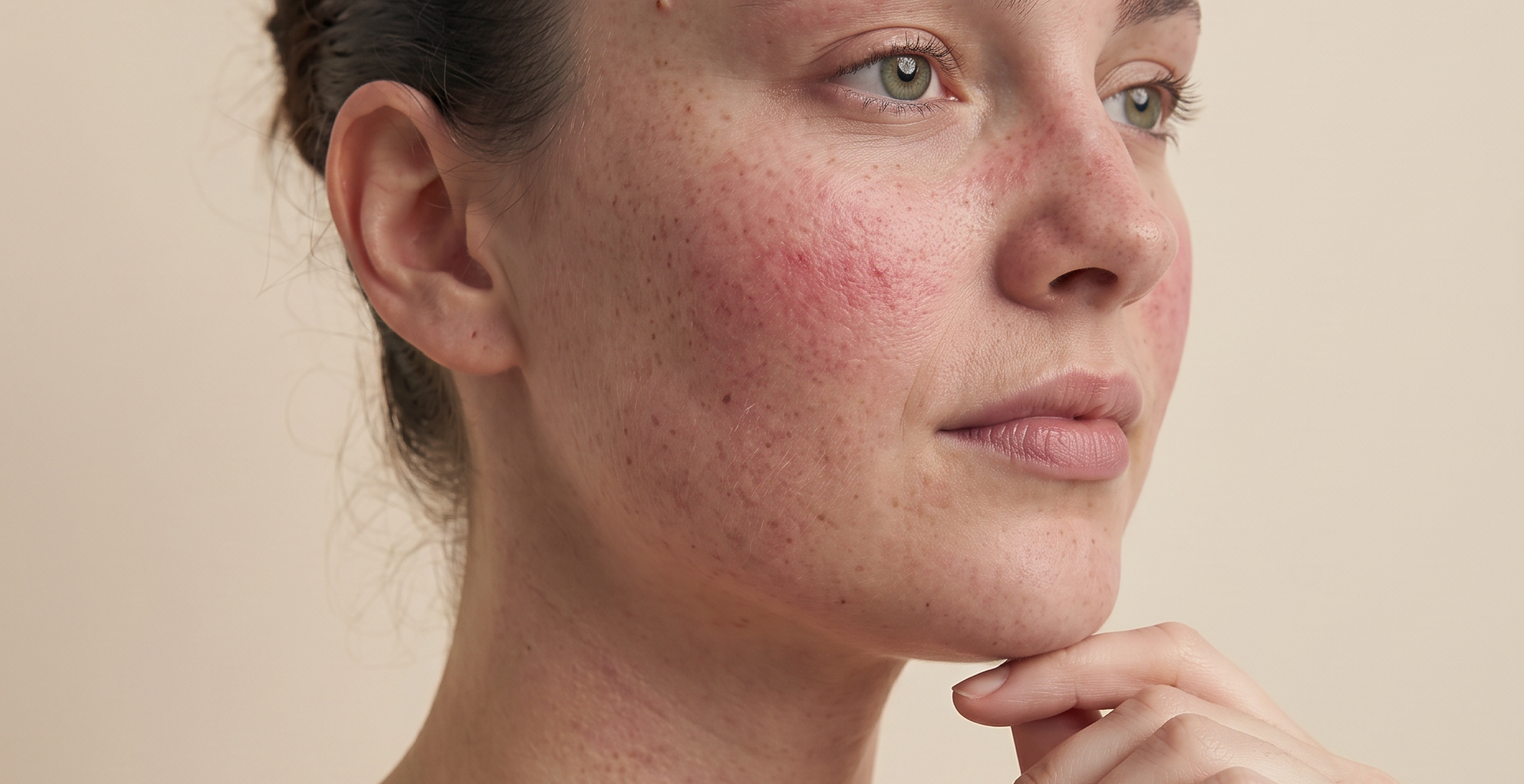
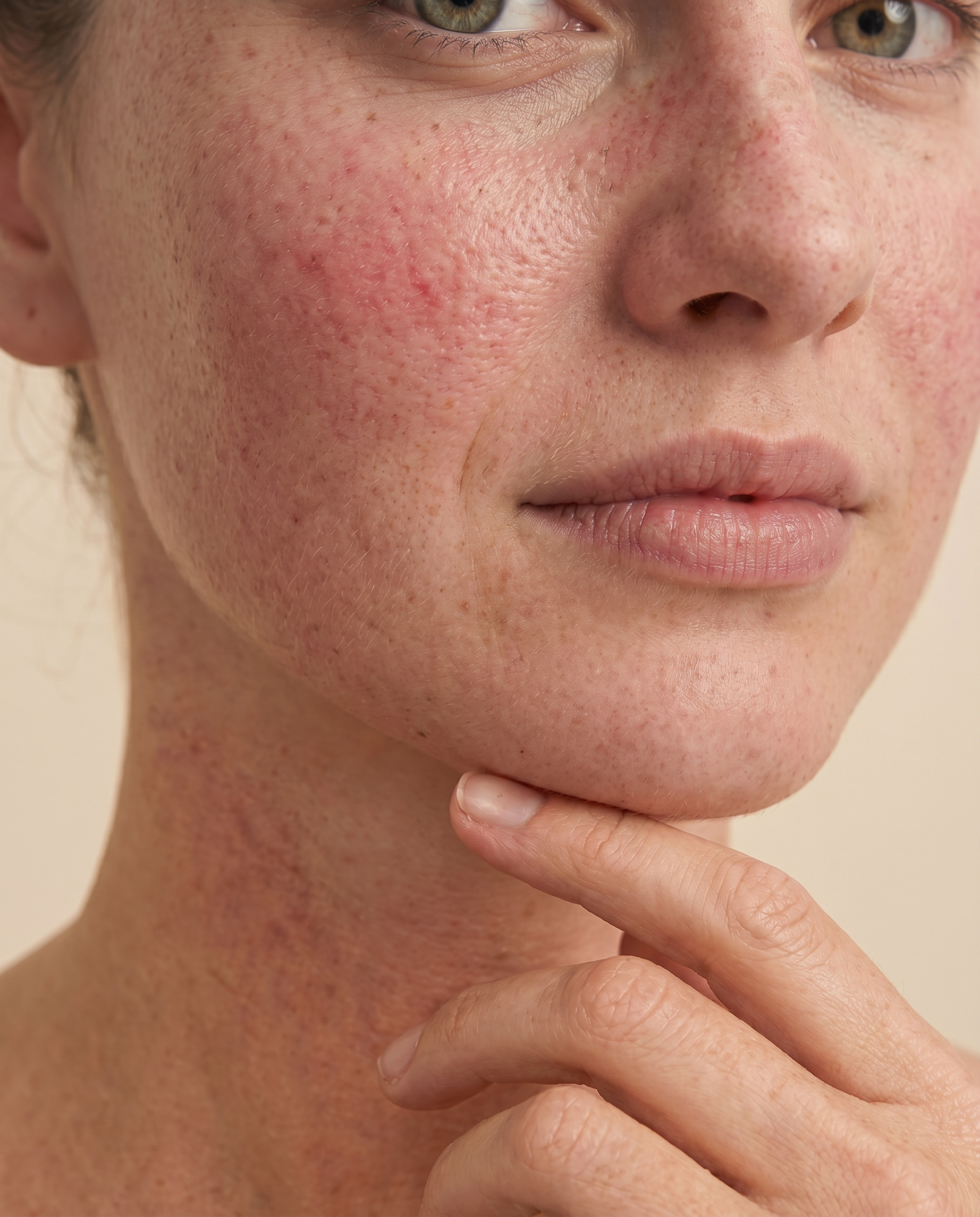
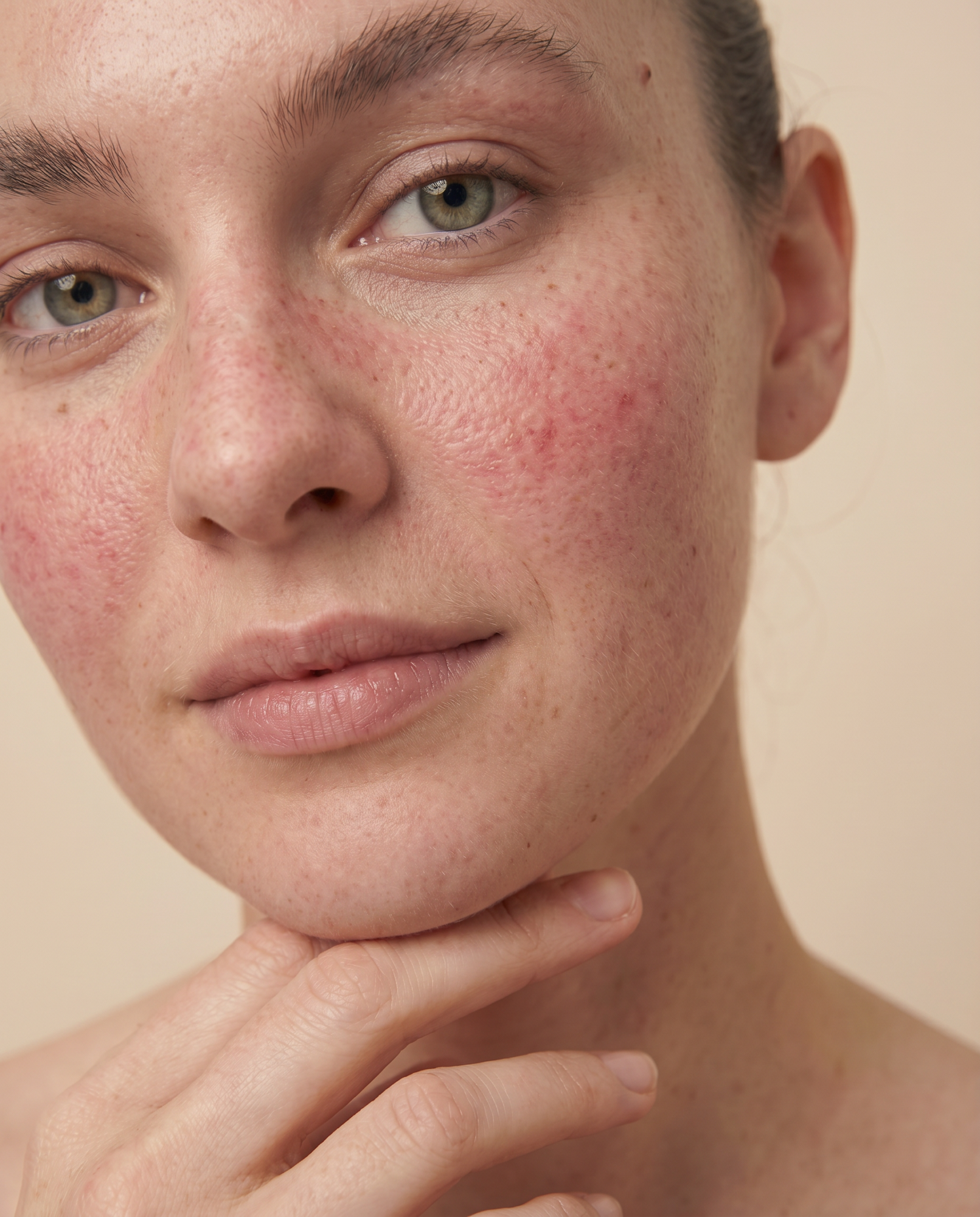
Rosacea on the face: why redness appears and what your skin is telling you

Related Posts

How to Choose Skincare Gifts This Spring (Without the Noise)
Choosing skincare gifts is not always easy. Between trends, bold claims and attention-grabbing formulas, finding a gift that truly makes sense can be more difficult than it seems.When thinking about how to choo...
How to Choose an Effective Facial Serum: 5 Key Ingredients and Why Formulation Matters
In a market saturated with new launches and trend-driven actives, learning how to choose an effective facial serum has become far more important than simply following what is popular. Not all serums address the same n...

What a face serum does for your skin
A guide to understanding what a face serum really does, why it matters in a routine and how to choose the right one for your skin’s changing needs. The article explores serums as high-functionality formulas within the Twelve Beauty universe and introduces targeted options for hydration, balance, radiance, firmness and visible calm. Grounded in Pedro Catalá’s formulation approach, it also includes practical tips on how to apply a serum for best results.
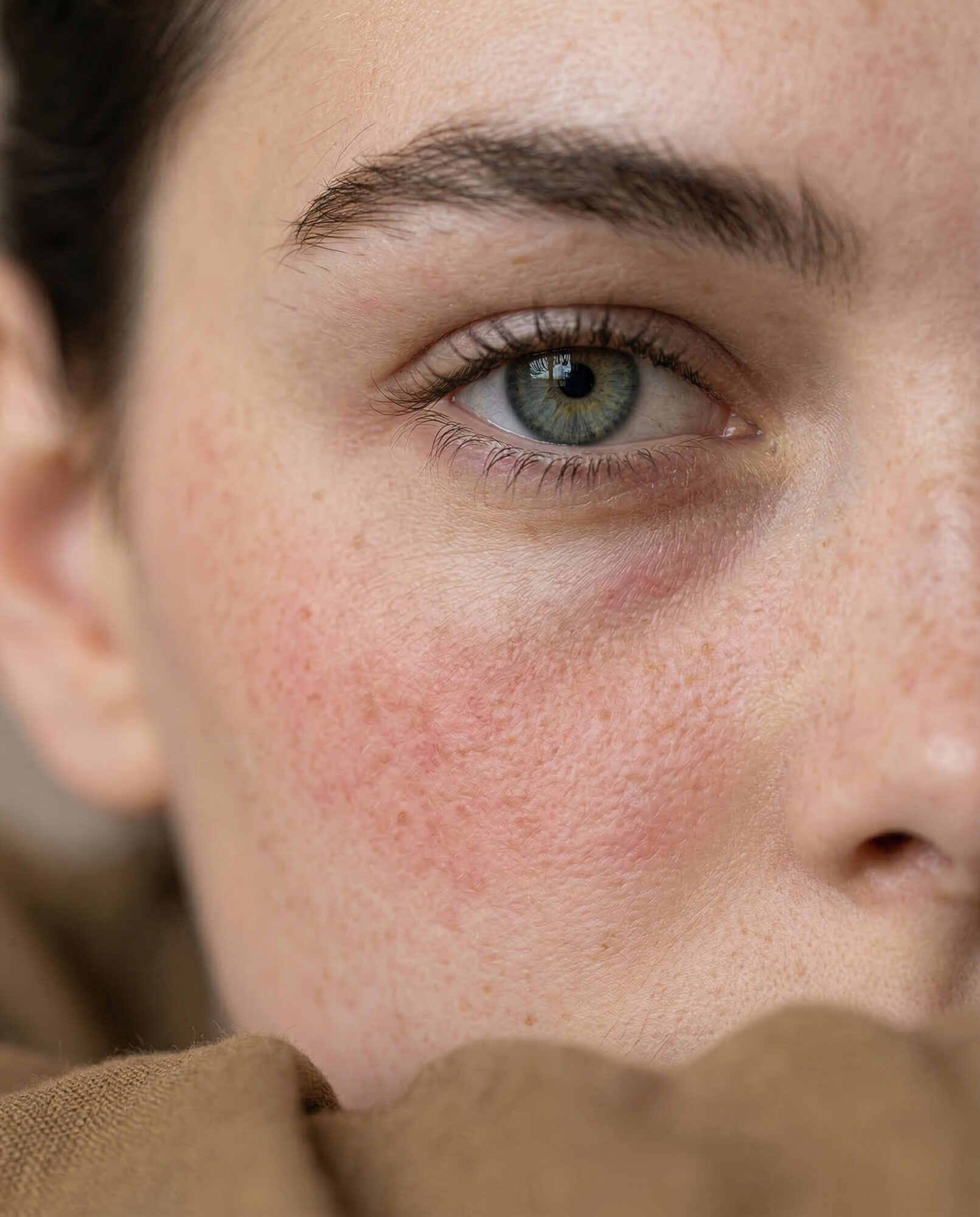
Skin allergy: the most common symptoms and how to calm it
When the weather gets warmer, it often feels like everything begins to bloom, including your skin’s reactivity. If your skin feels more sensitive than usual, it’s no coincidence. Spring is the time to adapt your skinc...
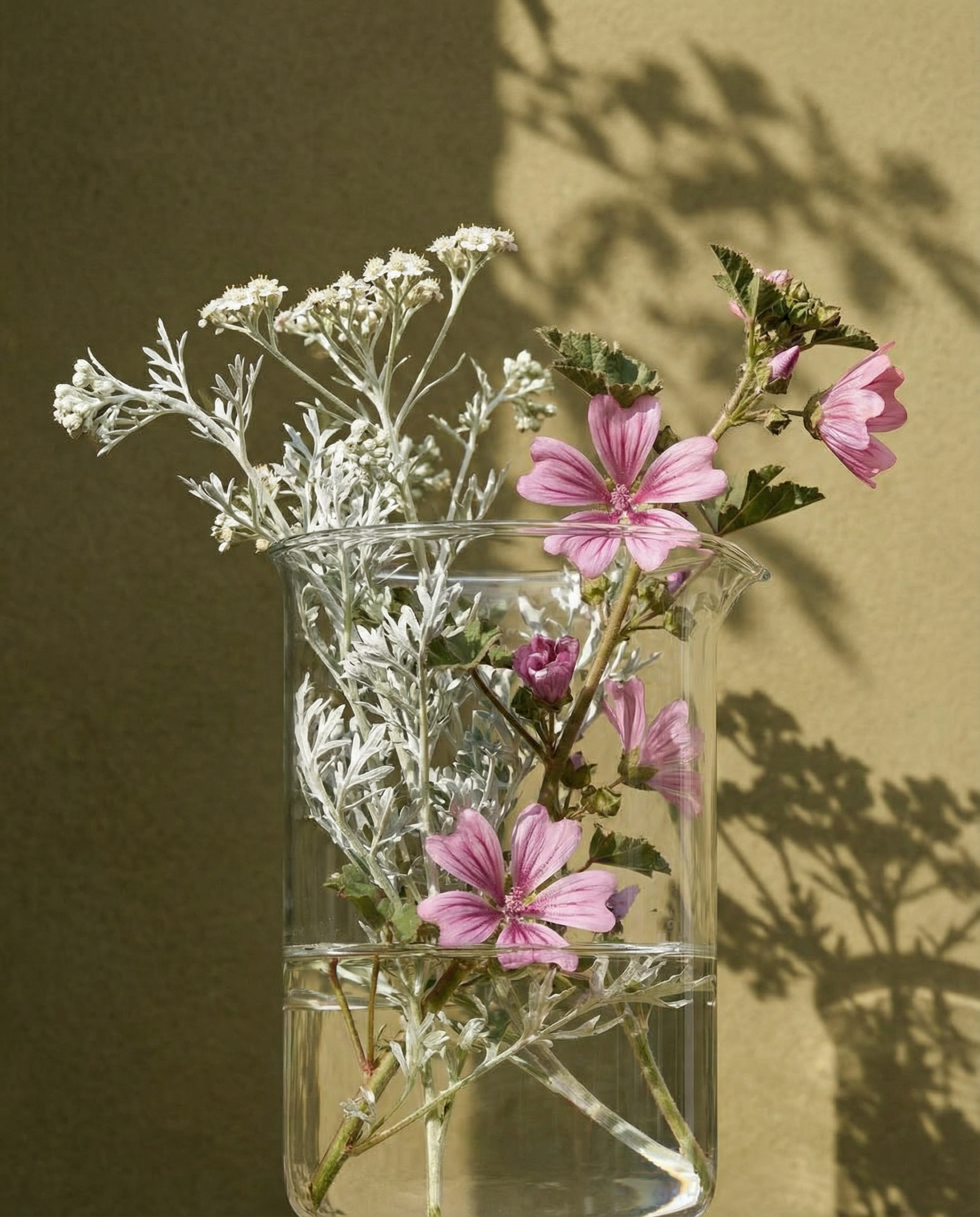
5 flowers that rescue your skin this spring (and why you need them)
As the spring season approaches, warmer days return and the countryside bursts into colour. But our skin doesn't always react to the season in the same way. Have you noticed your skin becoming more sensitive recently...

The Intelligent Frontier: Your Universal Remedy for Optimal Skin Health Against the Exposome
The pursuit of great skin used to be simple: cleanse, tone, moisturise. Perhaps add a serum. Today, the challenge to achieving vibrant, resilient skin health is exponentially more complex. It's not just genetics or th...

The Truth About “Cortisol Face”: How to Soothe Stress-Affected Skin at Any Age
We all know what stress feels like - tight shoulders, racing thoughts, restless nights. But stress doesn’t stop there. It often shows up in the mirror, too. Puffy face and eyes, unexplained breakouts, redness that won...

How to Repair Sun-Damaged Skin: Your Post-Summer Glow Guide
Summer lingers in memory - sun-drenched afternoons, laughter on the breeze, the sparkle of saltwater on skin, and that easy holiday glow. Yet as the golden days fade, they often leave quiet reminders behind: thirsty s...

Ice Water Face Dip: Skin Saviour or Viral Gimmick?
It starts with a bowl of ice, a splash of water, and a promise: tighter skin, reduced puffiness, and a glow so radiant it could rival your favourite serum. “Ice dunking”, the viral beauty ritual of plunging your face int...

The Rise of Climate-Adaptive Skincare: A Smarter Way to Protect Your Skin
There’s no denying it: the increasingly worrying climate crisis isn’t just changing our environment - it’s changing our skin. As temperatures fluctuate, pollution levels rise, and UV exposure intensifies, our skin fac...

Bridging Innovative Skincare with Traditional, Sustainable Actives
In the ever-evolving world of skincare, exotic ingredients are often spotlighted as the next miracle solution. From rainforest botanicals to rare and remote mountain herbs, these trendy actives capture attention with ...

Behind the Glow: Day to Night Makeup Prep with International MUA Sjaniël Turrell
When it comes to flawless day to night makeup, skin prep is everything. Whether you're heading into a full day on set or transitioning from a natural daytime look to a bold evening statement, the right skincare can ma...