Skin care

SPF for sensitive skin: how to protect yourself from the sun without disrupting the skin barrier


SPF for sensitive skin integrated into a daily routine focused on comfort and protection

For sensitive skin, photoprotection is not just about choosing a sunscreen and applying it every morning. A good SPF for sensitive skin should be part of a routine the skin can tolerate over time, as sunscreen is one of the products most commonly recommended for daily use.

Sensitive skin does not always react only to the sunscreen filter itself. Sometimes, by the time sunscreen is applied, the skin barrier is already compromised: there may be tightness, recent exfoliation, or a routine that is simply too “complete”. In summer, heat, sweat and friction can also increase the feeling of itching, stinging or discomfort. That is why protecting sensitive skin from the sun also begins with not irritating it. SPF for sensitive skin belongs in a daily routine because the skin lives with light, windows, pollution, heat, screens and the urban environment, not only with beach sun.

In fact, the American Academy of Dermatology recommends choosing broad-spectrum sunscreens with SPF 30 or higher, while the FDA reminds consumers that broad-spectrum sunscreens should be used regularly and as directed to help protect against UV radiation.

Why sensitive skin may react more to sun, heat and sweat

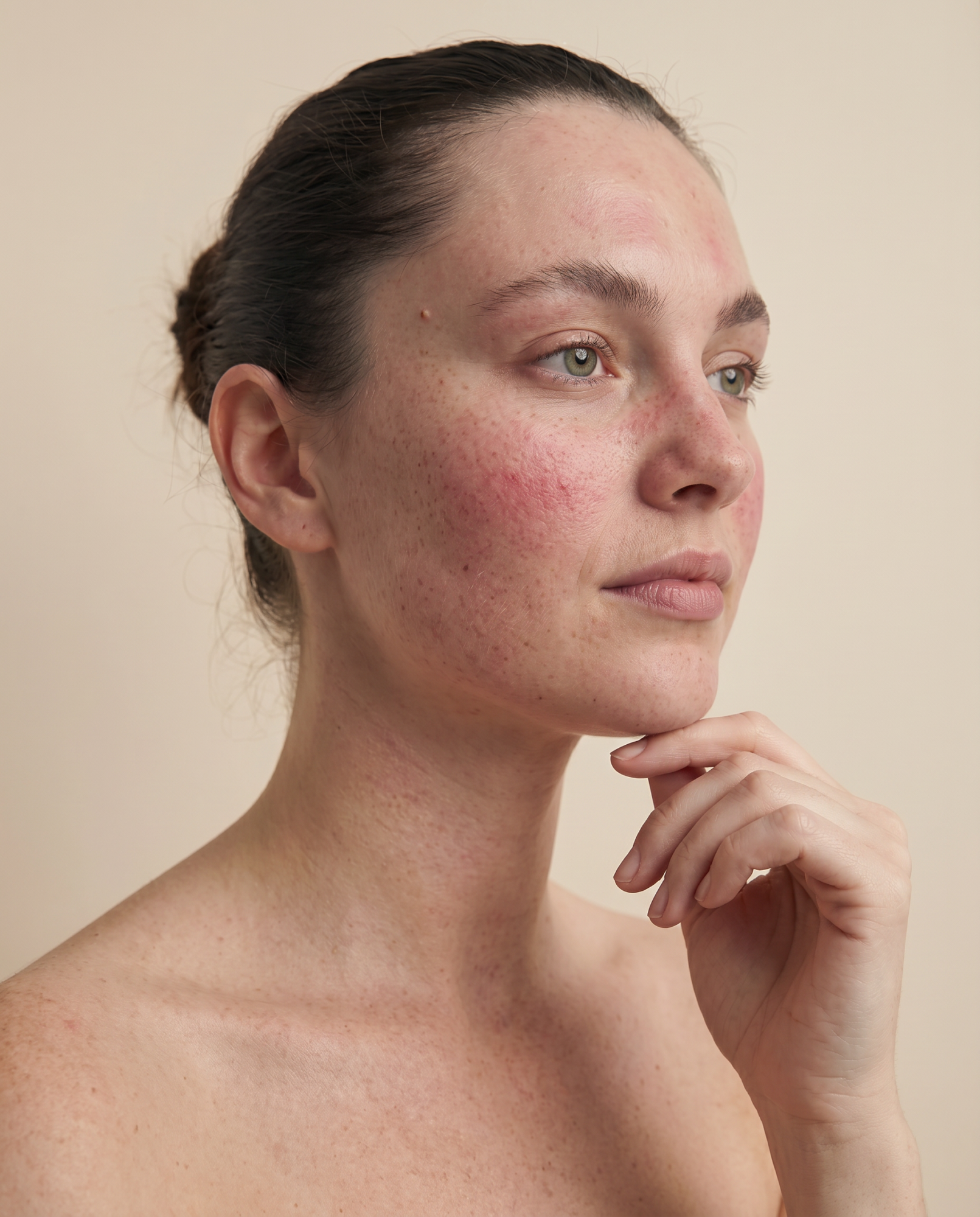
When we talk about sensitive skin and sun exposure, we often think of redness or sunburn. But the daily experience can be more subtle: skin that heats up quickly, feels tight, stings when sunscreen is reapplied, or does not tolerate certain textures well.

The skin barrier acts like an intelligent border. When it is compromised, the skin may respond more strongly to everyday triggers: harsh cleansing, exfoliating actives, temperature changes, sweat, friction from sunglasses, or even the application of sunscreen itself.

That is why, if a sunscreen stings, it does not always mean the formula is “bad”. The formula may not be the right fit, but the context may also be working against the skin. Sensitised, over-exfoliated or dehydrated skin can struggle to tolerate almost any product.

The skin barrier: the starting point for a good SPF for sensitive skin

An SPF for sensitive skin should be understood as part of a tolerance strategy. It is not about adding more steps, but about creating a more comfortable base so that sunscreen can do its job without creating conflict.

Before SPF, the skin needs to arrive calm. That does not mean a long routine. In fact, very often the opposite is true: the more reactive the skin feels, the more sense it makes to simplify. A gentle cleanse, light hydration and a pause on overly intense actives can make a real difference.

It is worth avoiding the idea of “repairing the barrier” immediately or absolutely. It is more accurate to speak of supporting it, reinforcing comfort and reducing the factors that disturb it. The best SPF for sensitive skin does not compensate for an aggressive routine; it works better when the rest of the routine is already designed not to push the skin to its limit.

How to prepare the skin before sunscreen

Preparation does not need to be complex. In the morning, sensitive skin often appreciates gentle cleansing, without any feeling of stripping or tightness. If there is sweat or residue, removing it without rubbing is usually enough.

Hydration should then be sufficient, but not heavy. A cream or emulsion that brings comfort without creating an excessive film can help SPF for sensitive skin glide on more easily and settle with less friction.

What you decide not to use also matters. If the skin is red, tight or reactive, it is not the best moment to add exfoliants, strong acids, poorly tolerated retinoids or several layers of active serums before sun exposure. Fewer actives means more tolerance.

Twelve Tip: let each layer settle. Applying one product on top of another too quickly can stop the formula from integrating properly, make you rub more, and leave the routine feeling uncomfortable. Cosmetics are built on consistency, but also on patience.

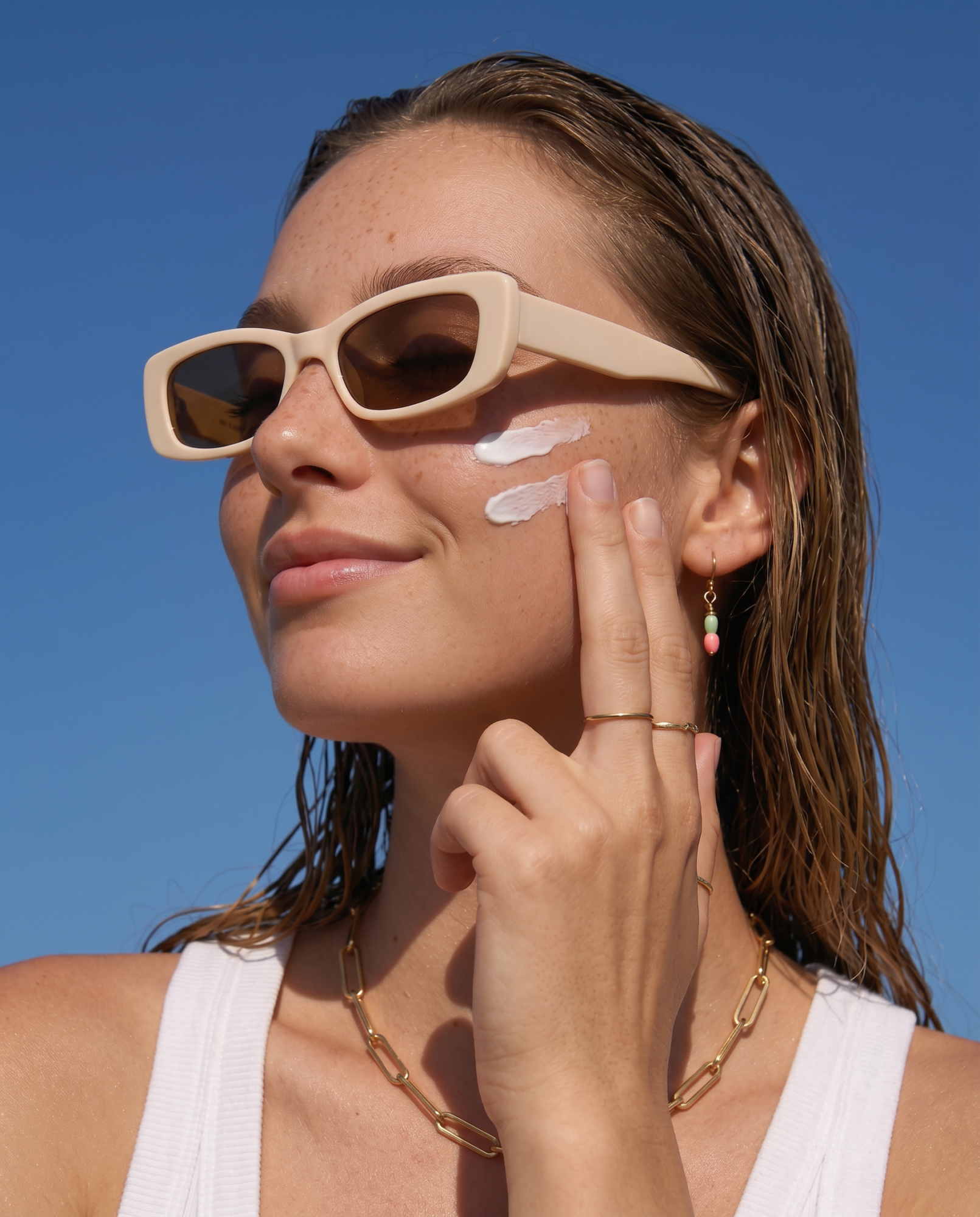
Gentle application of SPF for sensitive skin to reduce friction and improve tolerance

SPF in 2026: what deserves attention and what should be read with perspective

SPF is trending, and unlike other more fleeting beauty currents, that is good news. It means there is greater awareness around sun protection, more interest in daily use, and a broader conversation about how to care for the skin when facing exposure.

But when something becomes a trend, noise follows: more claims, more formats, more promises and more reasons to feel confused.

The world of sun protection has become more sophisticated: more fluid textures, multifunctional formulas and sometimes overly promising claims. All of it can make sense, but not everything carries the same weight in a routine for sensitive skin. Some of the SPF trends we are seeing include:

  • SPF with barrier-supporting benefits
    This can add value when the skin is sensitised, dry or tight. The problem begins when this claim is interpreted as complete skin barrier repair. In an SPF for sensitive skin, these ingredients can support comfort, but they do not replace a well-planned routine.
  • Tinted SPF for redness
    A tinted SPF can help visually even out red or reactive skin, especially when the aim is to reduce steps and avoid adding extra makeup. What matters is that the shade blends well and that application does not require excessive rubbing.
  • Zinc oxide
    Zinc oxide deserves special attention when we talk about SPF for sensitive skin. As well as acting as a mineral UV filter, it is often associated with well-tolerated formulas and a more protective feel on the skin. For sensitive skin, its interest lies not only in protection against radiation, but also in its calming profile and its ability to accompany skin that becomes irritated easily.
  • SPF that does not sting, does not pill and works well with the rest of your routine
    More than trends, these are real needs for sensitive skin. Even so, these reactions do not always depend only on the sunscreen. They can appear because of too many layers, applying products too quickly, sweat, friction, or temporarily sensitised skin.
  • Blue light, clean beauty and environmental claims
    They can be part of the conversation, but they should be read with perspective. They should not displace what matters most: adequate protection, good tolerance, reasonable reapplication and a texture that allows the product to be used every day without becoming a source of discomfort.

When sunscreen stings, pills or the skin feels reactive

If sunscreen stings, observe patterns before changing everything. Does it sting only when it is hot? Only when you reapply? Only after exfoliating? Only with a specific moisturiser underneath? This kind of reading helps distinguish between a formula that is not right for you and skin that is temporarily sensitised.

Pilling — those small balls or clumps that appear when a cosmetic does not fully integrate on the skin — also deserves a practical reading. It does not always mean that your SPF for sensitive skin is incompatible with you. It can appear because of too many layers, combining textures that form a film, applying products too quickly or rubbing more than necessary. Some basic recommendations are:

  • Pause intense exfoliants if your skin feels sensitised, hot or stingy.
  • Reduce morning actives, especially if you are using several transformative products at once.
  • Avoid perfumes or fragrances if you know your skin does not tolerate them well.
  • Do not change your entire routine at once, because it will be harder to identify what is causing the reaction.
  • Apply gently, without dragging or insisting too much on red or reactive areas.
  • Observe the context, not only the formula: heat, sweat, friction…

After sun exposure: remove, calm and return to what is essential

Photoprotection does not end with reapplication. After exposure, sensitive skin appreciates the gentle removal of SPF, sweat and particles accumulated throughout the day. Cleansing should not mean dragging the skin until it feels tight. The goal is to remove without aggressing.

This is especially important when mineral filters, such as zinc oxide or titanium dioxide, have been used, as they can leave a more perceptible film on the skin. In that case, night-time cleansing should be effective, but also respectful: removing sunscreen properly without rubbing, without overworking the skin and without disrupting a skin barrier that may already have been exposed to heat, sweat and friction.

At night, it makes sense to return to a short routine: gentle cleansing, hydration and formulas that support comfort. If there is redness, stinging or a sensation of heat, it may be wise to pause exfoliants and demanding actives until the skin feels stable again.

This is where a gentle cleanser such as Dara’s Water, Twelve Beauty’s non-micellar cleansing water, makes sense. It is designed to remove makeup, pollution and sunscreen without the need for aggressive cleansing. Its role within a routine with SPF for sensitive skin lies precisely in that balance: helping remove the residues of the day without adding a feeling of stripping or discomfort.

Ideally, the aim is to find a combination of products that helps prevent these reactions from the beginning. The best SPF for sensitive skin is not necessarily the most advanced or the most talked about, but the one you can use every day and remove every night without feeling that your skin is fighting against your routine.

Frequently asked questions

What is the best SPF for sensitive skin?

The best SPF for sensitive skin is one that offers adequate protection, has a texture your skin tolerates well and fits into a simple routine. It does not have to be the most viral one, but the one you can use with the greatest consistency.

It may sting because of the formula, but also because of a compromised skin barrier, sweat, heat, friction, over-exfoliation or too many layers underneath your sunscreen.

Not always. Some sensitive skins prefer mineral filters, while others tolerate chemical or hybrid formulas well. What matters is that the product feels comfortable, appropriate and well tolerated.

Apply SPF for sensitive skin over a simple routine: gentle cleansing, light hydration and few actives. Avoid rubbing and allow each layer to settle.

Reduce the number of layers, leave more time between products and apply gently. This effect often appears because of incompatibility between textures, excess product or friction.

Cleanse gently, remove SPF and sweat without rubbing, hydrate well and avoid exfoliants or intense actives if you notice redness, tightness or stinging.

Leave a Reply

Your email address will not be published. Required fields are marked *