
How stress affects your skin, even when you’re taking care of it

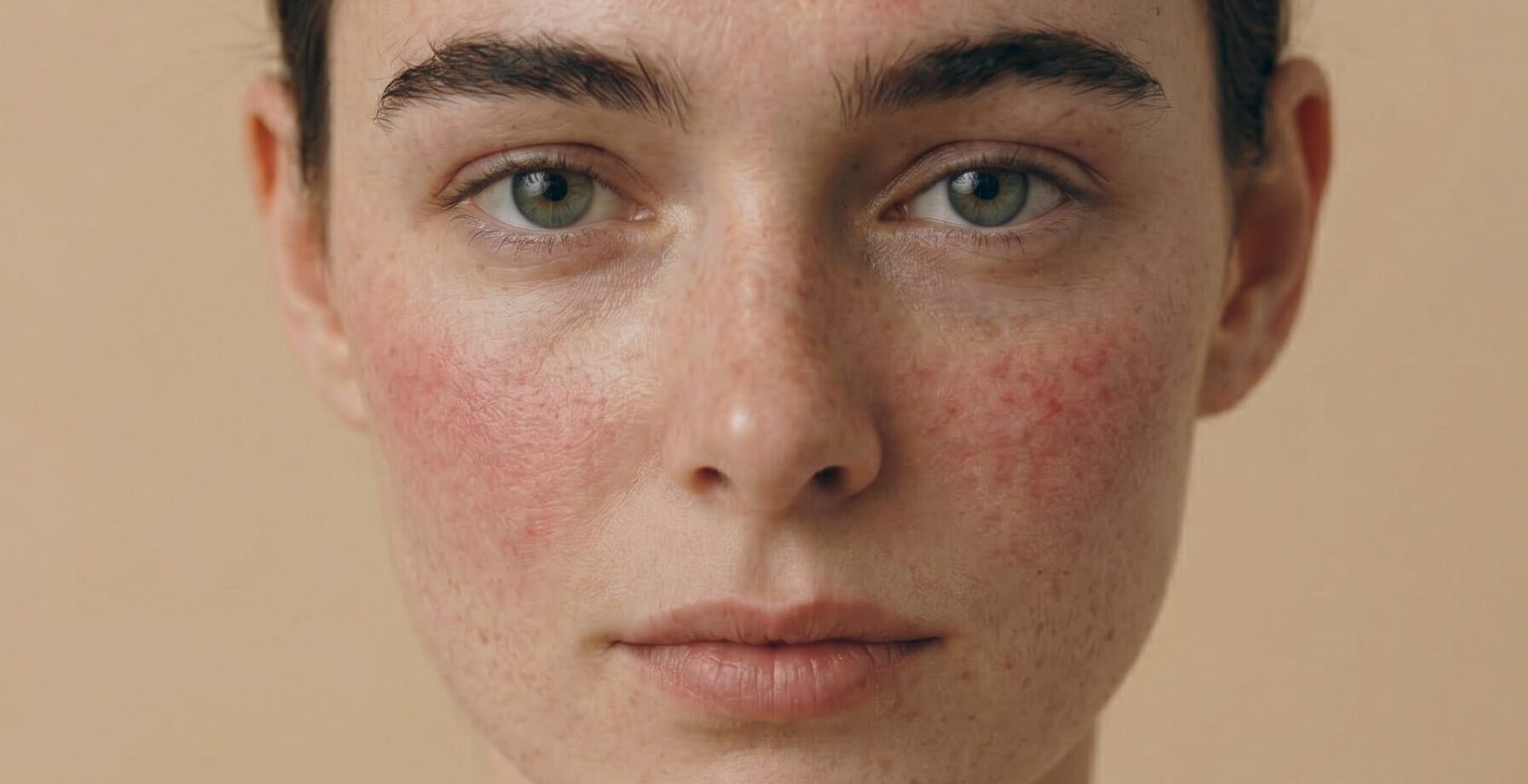
It has probably happened to you. You follow your cleansing and moisturising routine consistently, you choose good products, you try not to overload your skin… and still, one day you look in the mirror and something feels off.
Your skin looks duller. It feels tight, uncomfortable, strangely rigid. Suddenly, the cream that usually works for you no longer feels like enough, and the serum you always use starts to tingle a little. Sound familiar?
It is not that your products have stopped working overnight. Your skin may simply be under stress. Understanding how stress affects your skin helps give a name to that feeling without making it sound dramatic: your skin does not only respond to what you apply on the outside, it also reflects everything it is trying to manage.
The key to how stress affects your skin lies in accumulation. Lack of sleep, very hot water, pollution, sudden temperature changes, friction, too many actives or overly intense routines can make your skin lose its margin of tolerance and start reacting differently to what it used to handle well.
The accumulation effect
When we talk about how stress affects your skin, it is worth moving away from the idea that everything comes down to one single cause. Emotional stress plays a role, of course, but it rarely acts alone. The skin is exposed to many small daily triggers that, when combined, can disrupt its balance.
Internal factors may include lack of sleep, periods of sustained tension or hormonal changes linked to stress. External factors may include very hot water, pollution, cold, heat, wind, temperature changes or constant friction from fabrics, hands or towels.
That is why how stress affects your skin cannot be understood by looking at your skincare routine alone. You also need to look at the context in which that routine happens. A formula that usually works can suddenly feel like too much if your skin is already tired, dehydrated or more reactive.
When your tolerance threshold drops
If you are searching for how stress affects your skin, you have probably already noticed the first warning sign: your skin no longer tolerates things in the same way. What once felt comfortable now feels excessive. A cleanser leaves your skin tight. A gentle exfoliation feels like too much. A texture you used to love suddenly feels uncomfortable.
This has a lot to do with the skin barrier. When it becomes more vulnerable, normal triggers can feel more intense: a towel, wind, sweat, heat, applying products with too much pressure, or a strong active ingredient that never used to bother your skin.
That is why talking about how stress affects your skin is also talking about tolerance. Your skin has not become “difficult”; it may simply need less intensity, less friction and more support to regain stability.
When moisturiser no longer feels like enough
Another clear way to understand how stress affects your skin is to look at hydration. When the skin barrier is more fragile, the skin can lose water more easily. This is known as transepidermal water loss: water escapes from the skin towards the outside, and the feeling of tightness returns too quickly.
At this point, how stress affects your skin becomes a very specific need: to hydrate and protect at the same time. It is not enough to add water; it also helps to support the skin in retaining it, pairing hydration with formulas that provide nourishment, lipids and a protective layer without overloading the skin.
Ideal Moisture Level Serum can be the first step when the skin feels dehydrated, dull or less flexible. Applied to slightly damp skin, it helps create a comfortable base of hydration. Paired with Nutritive Repair Emulsion, the routine gains a more nourishing and enveloping layer, designed to help sensitive or reactive skin feel more protected without feeling heavy.
The answer is not to add more. It is to simplify.
Knowing how stress affects your skin also means recognising a very common impulse: when the skin stops responding, we want to add something new to fix it. Another serum. Another mask. Another active. Another layer.
It sounds logical, but it does not always help. In moments of reactivity, a longer routine can become another stimulus. In those cases, your skin does not need more noise: it needs a short, sensory and consistent routine, where every step has a clear purpose.
When you ask yourself how stress affects your skin, it is also worth thinking about how you apply your routine. Are you rushing? Rubbing? Using water that is too hot? Layering products because you feel you need to do everything? A pleasant texture, a delicate touch and slower breathing can turn skincare into a pause, not another demand.
A calming plan for stressed skin
A routine for stressed skin can be built around three ideas: reducing friction, restoring hydration and supporting the barrier. This is the most practical way to approach how stress affects your skin: when the skin has less margin, your routine should give it more stability.
First, pause potent actives. Temporarily set aside strong exfoliants, acids or intense active combinations if your skin feels especially reactive. This is not a permanent renunciation; it is a pause to help the skin recover tolerance.
Second, do not experiment. If your skin feels tight, red, uncomfortable or sensitive, it is not the best moment to introduce several new products at once. Novelty can wait; consistency usually helps more.
Third, reduce layers. Simplify your routine to the essentials: gentle cleansing, hydration, barrier support and sun protection during the day. In the context of how stress affects your skin, a shorter routine can be more effective than one full of actives if it reduces friction and helps restore a sense of balance.
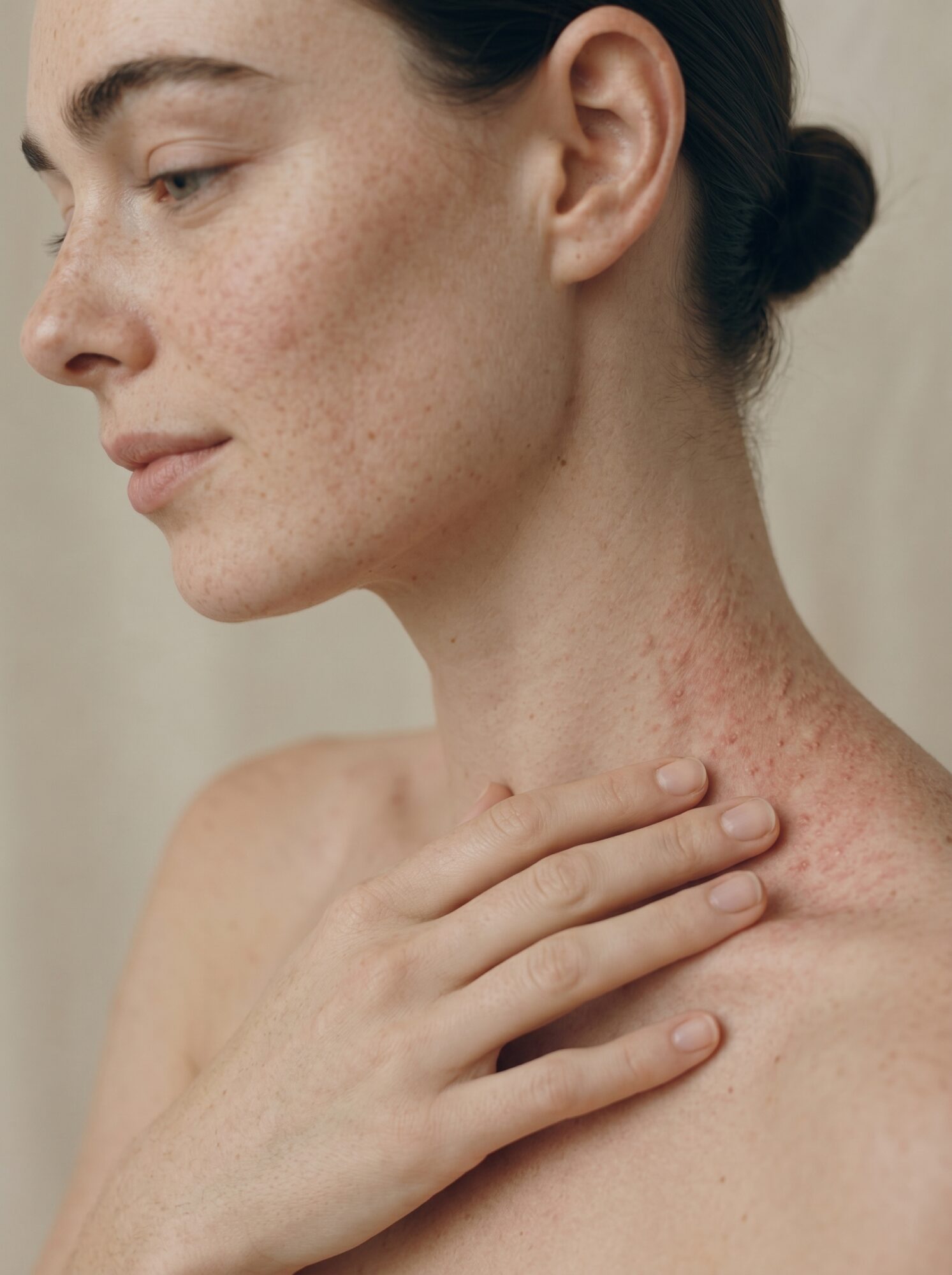
The Twelve routine to give your skin a break
In the morning, you can start with a very gentle cleanse if your skin feels especially reactive. Then apply Ideal Moisture Level Serum to slightly damp skin. Follow with Nutritive Repair Emulsion to support the skin barrier. During the day, finish with sun protection.
At night, cleansing should feel comforting, not aggressive. Purifying Cleansing Beauty Cream can be a good choice if you are looking for a more sensory, creamy and respectful cleanse. Then apply Ideal Moisture Level Serum, followed again by Nutritive Repair Emulsion.
The key is not to do more. It is to make sure your routine works around three real needs: hydrating, protecting the barrier and creating a moment of pause. In sensitive or reactive skin, how stress affects your skin often shows up in a very simple way: the skin asks for less intensity and more balance.
Understanding how stress affects your skin should not feel like a warning, but like a way to listen more closely to what your skin is asking for. If it is trying to manage too many triggers, perhaps the best response is not to insist, but to slow down.
Knowing how stress affects your skin can help you adjust your routine, but it does not replace a dermatological assessment. If redness, stinging, itching, breakouts or discomfort are intense, persistent or getting worse, it is best to consult a professional.
Frequently asked questions
What does skin stress look like day to day?
It can show up as tightness, redness, discomfort, dryness, visible dehydration or the feeling that your skin no longer tolerates products that used to work well.
Why does my skin no longer tolerate products it used to love?
Because its tolerance threshold may be lower. When the skin barrier is more vulnerable, everyday triggers such as hot water, friction or certain actives can feel too intense.
What routine should I use when my skin feels stressed?
A minimal routine: gentle cleansing, hydration, barrier support and sun protection during the day. Ideal Moisture Level Serum paired with Nutritive Repair Emulsion can help restore a feeling of hydration, comfort and balance.
Can a sensory routine help skin under stress?
It can help make the skincare moment feel kinder and more consistent. It does not replace rest or professional advice, but slow, delicate, friction-free application better supports skin that needs calm.